Have Questions About Solar for Your Property?
Talk to our team to find the right solar solution for your specific needs and budget.
Solar for Warehouse & Logistics in Malaysia
Solar for warehouse and logistics facilities is becoming a popular way to cut electricity costs and improve operational efficiency. Malaysia's warehouse and logistics industry keeps growing. With it, operational costs are rising — especially electricity expenses.
Warehouse and logistics operators benefit the most from commercial solar. Why? Large roof areas plus high daytime electricity usage make for a strong match. If you operate a factory, warehouse, or SME, see our guide on Solar Untuk Kilang & SME Malaysia for more solar options for Malaysian businesses.
Solar for Warehouse & Logistics in Malaysia: A Smart Investment for Long-Term Savings
Update: NEM Has Ended, Solar ATAP Takes Over
2026 update: The NEM (Net Energy Metering) scheme officially ended on 30 June 2025 and is no longer accepting new registrations. The current replacement programme is Solar ATAP (Solar Accelerated Transition Action Programme), effective from 1 January 2026, with cash rebates up to RM3,000 through SuRIA Home. Read the full Solar ATAP guide here →
Why Solar for Warehouse Malaysia Makes Business Sense
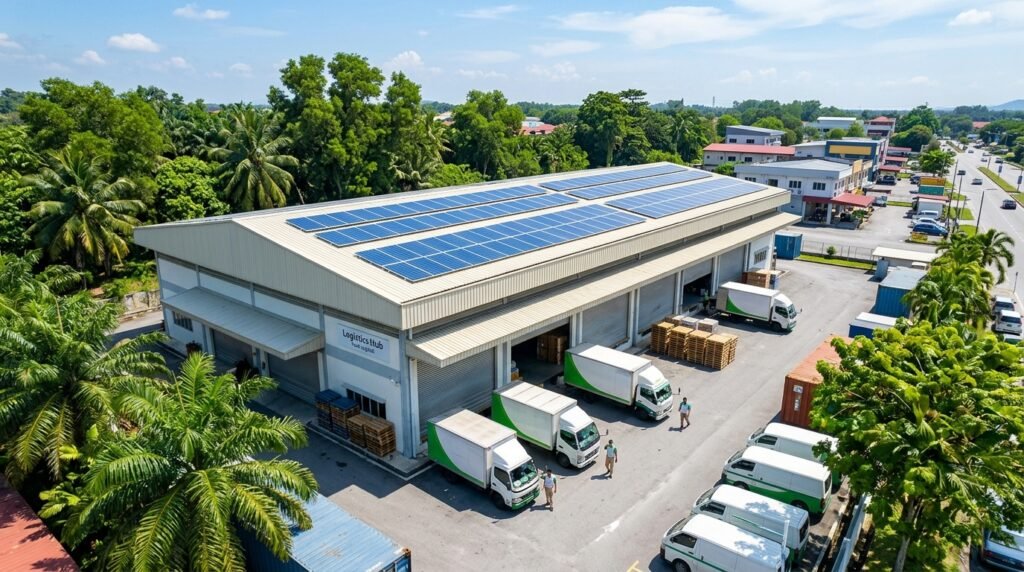
Warehouses typically have large rooftop spaces that are perfect for solar panels. These roofs get direct sunlight throughout the day, so businesses can generate much of their electricity on-site.
Unlike homes, warehouses use most of their electricity during daylight hours — exactly when solar panels produce the most energy. This match between generation and use maximises savings and system efficiency.
Benefits of Solar for Warehouse & Logistics Operations
1. Reduce Electricity Costs
Electricity is one of the biggest operating costs for warehouses and logistics facilities. Installing solar lets you generate renewable electricity on-site, cutting monthly bills and improving long-term profitability.
2. Improve Business Sustainability
Many companies are now expected to meet Environmental, Social, and Governance (ESG) goals. Solar energy helps you cut your carbon footprint and show your commitment to sustainability.
This can strengthen relationships with customers, investors, and partners who value environmentally responsible operations.
3. Protection Against Rising Energy Prices
Electricity tariffs can rise over time, creating uncertainty in your costs. By generating your own power, solar reduces your dependence on the grid and gives you more control over long-term energy costs.
This helps you forecast expenses more accurately and plan your finances better.
4. Maximise Unused Roof Space
Warehouse rooftops are often an underused asset. Installing solar panels turns unused roof space into a productive energy source without affecting daily operations or storage capacity.
5. Enhance Corporate Reputation
Businesses that invest in renewable energy are often viewed more favourably by customers, suppliers, and stakeholders. A visible commitment to clean energy strengthens your brand image and supports sustainability reporting.
Is Solar Suitable for Logistics Facilities?
Solar for warehouse Malaysia is suitable for a wide range of commercial and industrial facilities, including:
- Warehouses
- Distribution centres
- Logistics hubs
- Cold storage facilities
- E-commerce fulfilment centres
- Manufacturing storage facilities
- Industrial parks
Facilities with high daytime electricity consumption usually achieve the greatest return on investment from rooftop solar systems.
Warehouse Solar ROI in Malaysia: What Businesses Should Expect
One of the most attractive things about commercial solar is the long-term financial return. Many businesses recover their investment within a few years, depending on electricity usage, system size, and operating conditions. After that, the savings continue for decades.
Modern solar panels work efficiently for 25 years or more, making solar one of the most reliable long-term investments for commercial properties.
Want to know how much you can save?
Send us your TNB bill and we will work out the system size and cost. Free, no commitment.
Why Choose Arus EnerG?
At Arus EnerG, we help warehouse and logistics operators unlock the full potential of solar energy through customised solar solutions designed around their operational requirements and energy consumption patterns.
Our team provides end-to-end support, including:
- Site assessment and energy analysis
- System design and engineering
- Professional installation
- Regulatory and utility application management
- System monitoring and after-sales support
We focus on delivering high-performance solar solutions that help businesses reduce operating costs, improve sustainability, and maximise long-term returns.
Power Your Warehouse with Solar Today
With rising energy costs and increasing sustainability expectations, there has never been a better time for warehouse and logistics businesses in Malaysia to invest in solar energy.
Whether you operate a warehouse, distribution centre, or logistics hub, Arus EnerG can help you design a solar solution that delivers measurable savings and long-term value.
Contact Arus EnerG today to discover how much your business can save with solar.
Frequently Asked Questions
Q: Why are warehouses particularly well-suited for solar installations?
A: Warehouses typically have large rooftop spaces that receive direct sunlight throughout the day, allowing businesses to generate a substantial portion of their electricity on-site.
Q: Does solar make sense for a warehouse that mainly operates during the day?
A: Yes, warehouses generally consume electricity during daylight hours, which matches when solar panels produce the most energy, maximizing savings and system efficiency.
Q: What is the main financial benefit of solar for warehouse and logistics operators?
A: Electricity is one of the largest operating expenses for these facilities, so installing solar directly reduces electricity costs.
Q: Is the NEM scheme still relevant for warehouse solar installations?
A: No, NEM ended on 30 June 2025. The current programme is Solar ATAP, effective 1 January 2026, which includes cash rebates of up to RM3,000 through SuRIA Home.
Q: Is solar only suitable for large warehouses, or does it also work for smaller factories and SMEs?
A: Solar can benefit factories, warehouses and SMEs alike, though the system size and savings potential depend on roof area and daytime electricity usage.


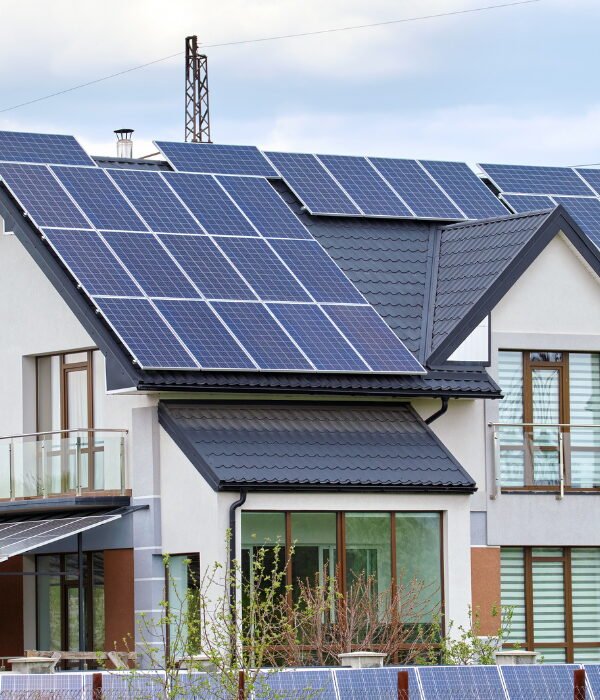

Get a Free Consultation
Our expertise
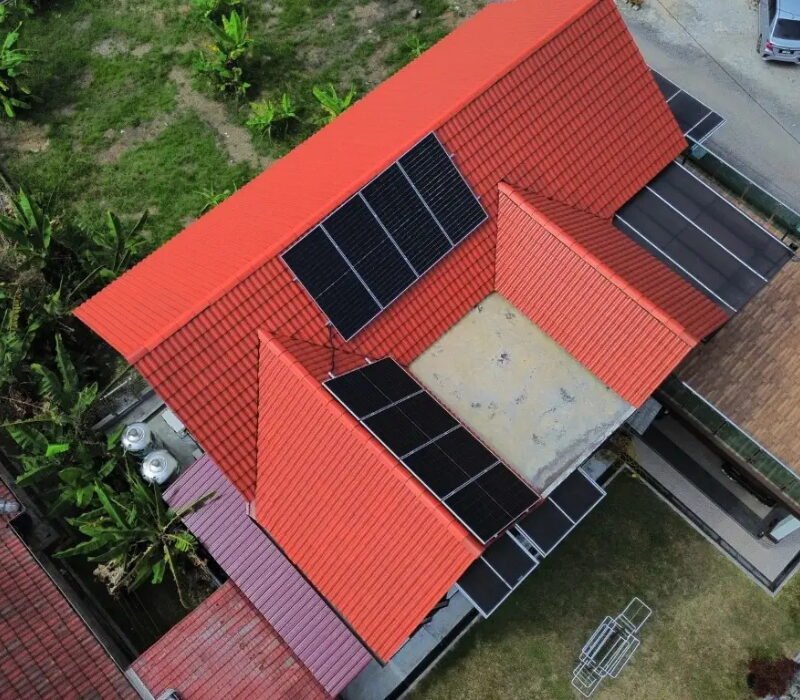
Instead of paying recurring electricity charges, invest in a system that generates its own power and reduces your long-term household expenses.
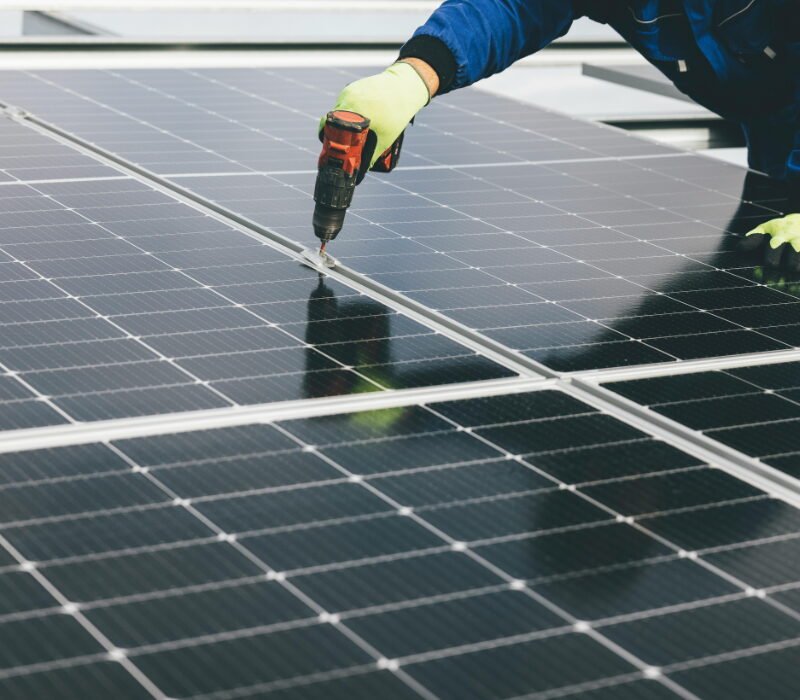
Solar panels are built to last. With minimal maintenance and strong performance warranties, continues generating savings year after year.
Any question? We're ready to help!





Ready to start?
Talk to the Arus EnerG team first. We can survey your roof and give you real numbers before you decide.
Related posts
- Adakah Panel Solar Selamat untuk Rumah & Perniagaan?
Nak jawapan khusus untuk kes anda?Artikel ni cover asasnya. Untuk angka dan cadangan yang tepat ikut bumbung dan...
14 August 20260LikeBy Arus EnerG - Factory Electricity Cost Reduction
Have Questions About Solar for Your Property? Talk to our team to find the right solar solution for...
- Kepentingan Kejuruteraan dalam Pemasangan Solar
Nak jawapan khusus untuk kes anda?Artikel ni cover asasnya. Untuk angka dan cadangan yang tepat ikut bumbung dan...
14 August 20260LikeBy Arus EnerG