Contents
- Solar for Factory Malaysia: Reduce Operating Costs
- Solar for Factory Malaysia
- Why Factory Solar Solutions Are Growing in Malaysia
- How Industrial Solar Systems Work
- Benefits of Industrial Solar Systems
- Is Your Factory Suitable for a Solar PV System?
- Industries That Benefit from Factory Solar Solutions
- Why Choose an Industrial Solar EPCC Partner?
- Why Choose Arus EnerG for Factory Solar Solutions?
- Conclusion
- Frequently Asked Questions
- Our expertise
Have Questions About Solar for Your Property?
Talk to our team to find the right solar solution for your specific needs and budget.
Solar for Factory Malaysia: Reduce Operating Costs
Industrial solar solutions help businesses cut operating costs. As electricity prices keep rising, many factory owners are turning to solar. It is a practical way to lower monthly expenses and gain more control over energy use.
Malaysia also gets strong sunlight year-round, making solar a reliable option for industrial facilities. Many factories have large roof areas that can generate clean electricity without disrupting daily operations.
That's why more manufacturers are investing in factory solar systems — to cut grid dependence, meet sustainability goals, and achieve long-term cost savings.
In this guide, we explain how Solar for Factory Malaysia works and the benefits it offers. We also look at why more industrial businesses are making the switch to solar energy. Looking for solutions for smaller businesses? Read our Solar for SME guide.
Solar for Factory Malaysia
- Why Factory Solar Solutions Are Growing in Malaysia
- How Industrial Solar Systems Work
- Benefits of Industrial Solar Systems
- Is Your Factory Suitable for a Solar PV System?
- Industries That Benefit from Factory Solar Solutions
- Why Choose an Industrial Solar EPCC Partner?
- Why Choose Arus EnerG for Factory Solar Solutions?
Update: NEM Has Ended, Solar ATAP Takes Over
2026 update: The NEM (Net Energy Metering) scheme officially ended on 30 June 2025 and is no longer accepting new registrations.
The current replacement programme is Solar ATAP (Solar Accelerated Transition Action Programme), effective from 1 January 2026, with cash rebates up to RM3,000 through SuRIA Home. Read the full Solar ATAP guide here →
Why Factory Solar Solutions Are Growing in Malaysia
Malaysia's tropical climate provides abundant sunlight throughout the year, making solar energy an ideal renewable energy source for industrial facilities.
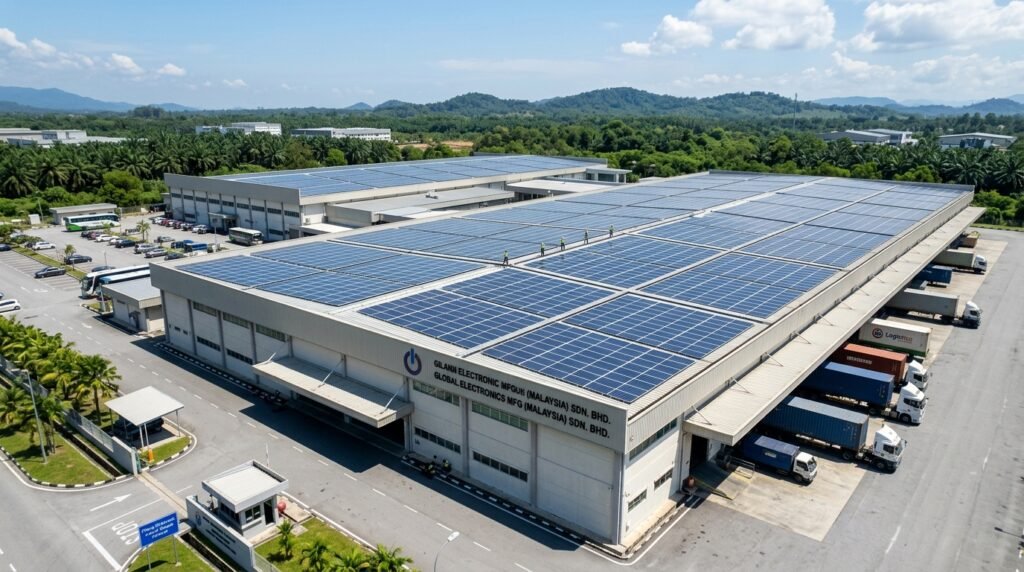
Factory buildings often have large roof spaces that are perfect for solar panels. These unused roof areas can become power-generating assets that offset electricity use during production hours.
For many factories, solar energy is no longer just an environmental initiative—it is a strategic business investment.
How Industrial Solar Systems Work
A solar photovoltaic (PV) system converts sunlight into electricity using solar panels installed on the factory roof.
The process is simple:
- Solar panels capture sunlight.
- The panels generate direct current (DC) electricity.
- Inverters convert DC electricity into alternating current (AC).
- The generated electricity is used directly by factory operations.
- Any excess energy may be exported to the grid, depending on the applicable energy scheme.
Since most factories operate during daylight hours, solar energy can directly power production activities when electricity demand is highest.
Benefits of Industrial Solar Systems
Lower Electricity Bills
The most significant advantage of solar energy is cost savings.
By generating electricity on-site, factories rely less on the grid and pay lower monthly utility bills. Depending on your energy use and system size, savings can add up substantially over the system's lifespan.
Protection Against Rising Energy Costs
Electricity tariffs may increase over time, impacting operational costs.
Solar energy helps businesses lock in part of their energy costs, making long-term budgeting more predictable.
Strong Return on Investment (ROI)
Industrial solar systems are typically designed to maximize energy production and financial returns.
Many factory owners recover their costs within a few years, then keep saving for decades after that.
Improved Corporate Sustainability
More customers, investors, and international partners now care about environmental responsibility.
Installing solar shows your commitment to cutting emissions and supporting sustainable manufacturing.
Enhanced ESG Performance
Environmental, Social, and Governance (ESG) requirements are becoming increasingly important in global supply chains.
Solar energy helps factories strengthen ESG reporting and build stronger sustainability credentials with multinational clients.
Learn more about Commercial Solar Installation Process Explained
Is Your Factory Suitable for a Solar PV System?
Most factories are excellent candidates for solar installation if they have:
- Large roof areas
- Consistent daytime electricity usage
- High monthly electricity bills
- Structurally sound roofing systems
- Minimal shading from surrounding buildings or trees
A professional site assessment can determine the most suitable solar system size and expected energy generation.
Industries That Benefit from Factory Solar Solutions
Solar solutions are suitable for a wide range of industries, including:
- Manufacturing plants
- Food and beverage factories
- Electronics manufacturers
- Warehouses and logistics centers
- Packaging facilities
- Automotive industries
- Textile and garment factories
- Pharmaceutical manufacturers
Regardless of industry type, any facility with significant daytime energy consumption can benefit from solar energy.
Want to know how much you can save?
Send us your TNB bill and we will work out the system size and cost. Free, no commitment.
Why Choose an Industrial Solar EPCC Partner?
A successful factory solar project requires expertise in engineering, procurement, construction, and commissioning (EPCC).
An experienced Solar EPCC provider manages:
- Site analysis
- System design
- Equipment procurement
- Installation
- Testing and commissioning
- Regulatory compliance
- Performance monitoring
Working with a single EPCC contractor simplifies project management and ensures quality throughout the entire process.
Why Choose Arus EnerG for Factory Solar Solutions?
At Arus EnerG, we provide end-to-end solar solutions for factories and industrial facilities across Malaysia.
Our services include:
- Comprehensive energy assessments
- Customized solar system design
- High-quality solar panels and inverters
- Professional installation
- System testing and commissioning
- Ongoing maintenance and support
We work closely with factory owners to develop solar solutions that maximize energy savings while minimizing disruption to daily operations.
Our goal is simple: help businesses reduce operating costs, improve sustainability, and achieve long-term energy independence.
Conclusion
Solar energy is changing how factories in Malaysia manage electricity. By using unused roof space to generate clean energy, businesses can cut operating costs, strengthen sustainability, and stay competitive in an increasingly energy-conscious market.
If your factory is looking for a smarter way to manage energy expenses, now is the perfect time to explore solar solutions.
Contact Arus EnerG today to schedule a site assessment and discover how solar energy can power your factory's future.
Looking for this guide in Bahasa Melayu?
Read: Solar Untuk Kilang & SME di Malaysia
Frequently Asked Questions
Q: Why are more factories in Malaysia investing in solar energy?
A: Rising electricity prices and Malaysia's strong year-round sunlight make solar a practical way for factories to lower monthly expenses and gain better control over energy usage, while also supporting sustainability goals.
Q: What makes factory buildings well suited for solar installations?
A: Factories often have large roof spaces that are otherwise unused, which can be transformed into power-generating assets that help offset electricity consumption during production hours without affecting daily operations.
Q: How does an industrial solar PV system work?
A: A solar photovoltaic system converts sunlight into electricity that can be used to power equipment and operations during the day, reducing the amount of electricity a factory needs to draw from the grid.
Q: What is the main business benefit of factory solar systems beyond cost savings?
A: Solar energy helps factories reduce dependence on grid electricity and improve their sustainability goals, which is increasingly viewed as a strategic business investment rather than just an environmental initiative.
Q: Is the NEM scheme still an option for factories planning a solar installation?
A: No. NEM officially ended on 30 June 2025 and is no longer accepting new registrations. The replacement programme, Solar ATAP, took effect on 1 January 2026 and offers cash rebates of up to RM3,000 through SuRIA Home.



Get a Free Consultation
Our expertise
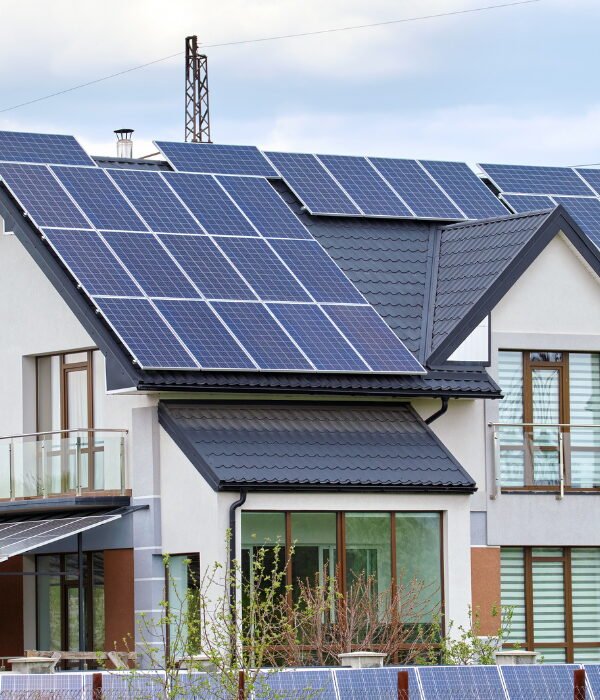
Instead of paying recurring electricity charges, invest in a system that generates its own power and reduces your long-term household expenses.
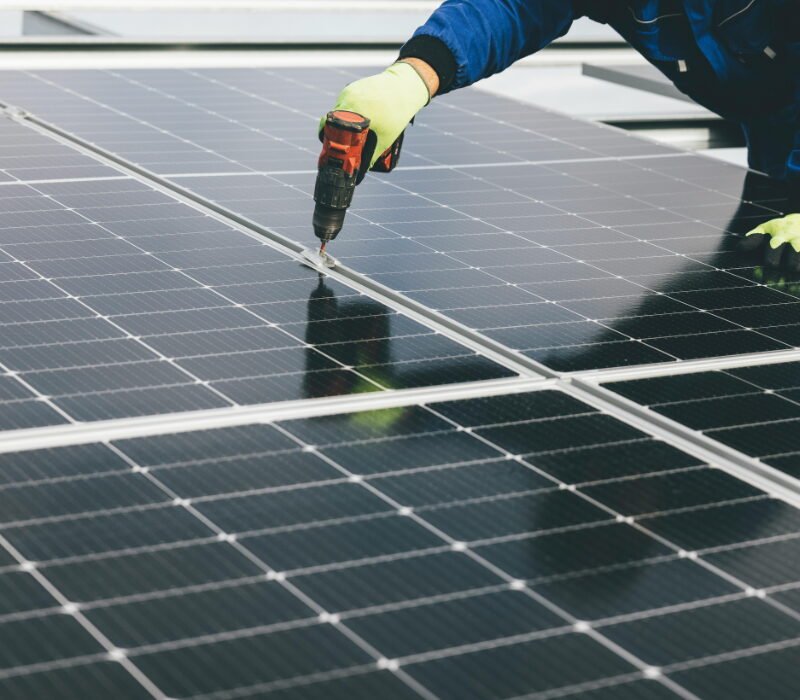
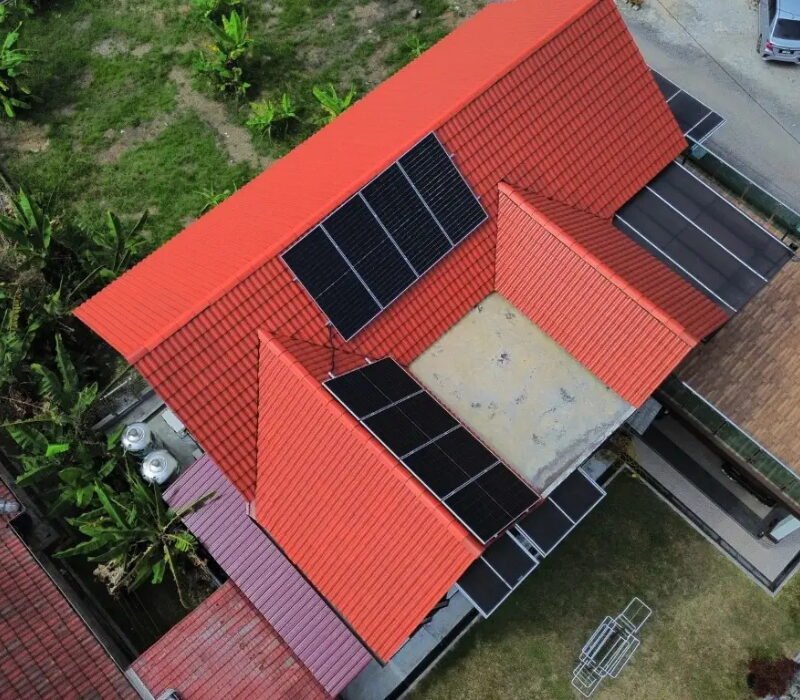
Solar panels are built to last. With minimal maintenance and strong performance warranties, continues generating savings year after year.
Any question? We're ready to help!




Ready to start?
Talk to the Arus EnerG team first. We can survey your roof and give you real numbers before you decide.
Related posts
- Syarikat Solar Kedah
PengenalanJika anda sedang mencari syarikat solar di Kedah yang boleh dipercayai, memilih pembekal solar yang betul adalah langkah...
- Berapa Banyak Solar Boleh Jimat di Malaysia?
Nak jawapan khusus untuk kes anda?Artikel ni cover asasnya. Untuk angka dan cadangan yang tepat ikut bumbung dan...
14 August 20260LikeBy Arus EnerG - Pemasangan Panel Solar Subang Jaya: Panduan Kos & Penjimatan (2026)
Panduan ini menerangkan pemasangan solar Subang Jaya untuk pemilik rumah dan perniagaan di Malaysia, berdasarkan terma dan angka...
14 August 202601LikeBy Arus EnerG