Quick answer: The Feed-in Tariff (FiT) in Malaysia has been closed to new registrations since 2021 for rooftop solar systems. It was replaced by the NEM (Net Energy Metering) scheme, which then ended 30 June 2025, and is now replaced by Solar ATAP, effective 1 January 2026.
What Is The Feed-in Tariff (FiT) In Malaysia?
The Feed-in Tariff was Malaysia’s first-generation solar incentive scheme, introduced under the Renewable Energy Act 2011. Under FiT, solar system owners were paid a fixed rate for every unit of electricity generated by their solar panels – regardless of whether that energy was self-consumed or not – funded through the Renewable Energy Fund (KWTBB) via TNB.
FiT was popular among commercial solar investors in its early years (2011-2020) because of attractive rates and a 21-year contract term.
How Did FiT Rates Work?
FiT rates started high for early registrants and decreased gradually over time (called “degression”) based on the capacity quota already registered year over year – a common feature of FiT schemes worldwide, designed to encourage early adoption while keeping the scheme’s long-term cost sustainable. This is why solar owners who registered early (2012-2014) generally enjoy higher rates than those who registered later (2019-2020) before the scheme fully closed.
Feed-in Tariff Malaysia Status In 2026 – Closed
New registrations for the rooftop solar FiT scheme have been closed since late 2020/2021 once the capacity quota for the rooftop solar category was filled. Anyone who registered before the closing date still enjoys FiT rates for their full 21-year contract term, but no new registrations are being accepted.
Solar owners who registered for FiT earliest (2012-2014) will continue enjoying their original rates until around 2033-2035, when their 21-year contract term ends – one reason FiT is still talked about even though it’s long closed to new registrations. After the contract ends, their rate will shift to the current RP4 tariff structure like other users.
Many people still search “feed in tariff Malaysia” because the name is still widely referenced in older articles and public conversation – but if you’re new to solar in 2026, FiT isn’t an option available to you.
What Replaced FiT?
| Scheme | Period | 2026 Status |
|---|---|---|
| Feed-in Tariff (FiT) | 2011 – 2020/2021 | Closed to new registrations |
| NEM (Net Energy Metering, incl. NEM 3.0) | 2019 – 30 June 2025 | Closed to new registrations |
| Solar ATAP (Solar Accelerated Transition Action Programme) | Effective 1 January 2026 | Active – can apply now |
Solar ATAP uses a “self-consume first, export surplus for ATAP credit” mechanism – different from FiT, which paid for EVERY unit generated, and different from NEM, which offset unit-for-unit. Eligible domestic users can also get a SuRIA Home Rebate of up to RM3,000.
Why Was NEM Closed?
NEM closed to new registrations on 30 June 2025 after the programme’s capacity quota was filled – in line with the national shift in solar incentive structure toward Solar ATAP under the RP4 framework. This follows the same pattern as FiT before it: every Malaysian solar incentive scheme so far has operated with a limited capacity quota, not an open-ended term.
Want to know which scheme you’re eligible for now?
We’ll check your Solar ATAP eligibility for free.
Feed-in Tariff Malaysia: How To Get Solar Credit Now
If you’re new to solar in 2026, the correct pathway is:
- Residential: Apply via Solar ATAP, handled by a Registered PV Service Provider (RPVSP) registered with SEDA, such as Arus EnerG.
- Companies/businesses: Besides Solar ATAP, you can also benefit from the GITA (Green Investment Tax Allowance) and GITE (Green Income Tax Exemption) tax incentives.
Read the full explanation of all current incentives in our Solar Incentives Malaysia 2026 guide – Solar ATAP, GITA, GITE and how to apply.
Related Articles
Frequently Asked Questions
Can I still apply for FiT now?
No. New registrations for the rooftop solar Feed-in Tariff have been closed since 2021. Owners who registered before that date still receive FiT rates for the remainder of their 21-year contract.
Is Feed-in Tariff still available in Malaysia in 2026?
No, FiT closed to new registrations in 2021. It has since been replaced by NEM (also now closed) and, from 1 January 2026, Solar ATAP – which is the only active solar incentive scheme for new applicants.
When did the Feed-in Tariff start in Malaysia?
FiT was introduced under the Renewable Energy Act 2011 and began accepting registrations that same year, running until it closed to new registrations in late 2020/2021.
If I already have FiT, what happens when my contract ends?
After the 21-year contract term ends, the solar system typically transitions to whichever scheme is in effect at that time (for example, Solar ATAP), subject to the TNB/SEDA terms applicable then.
FiT, NEM and Solar ATAP – which is better?
All three schemes operated in different eras and can’t be directly compared. For new homeowners/businesses in 2026, Solar ATAP is the only scheme that’s available and active.
Is Solar ATAP the same as NEM?
Not entirely. NEM used a unit-for-unit offset principle (exported kWh deducted directly from imported kWh). Solar ATAP uses a “self-consume first, export surplus for credit” mechanism with a different calculation. Read our Solar Incentives guide for full details.
Feed-in Tariff Malaysia Has Closed – Here’s What You’re Eligible For
Read Solar Incentives Malaysia 2026 or chat with us directly for a free eligibility check.
Related posts
- Solar Battery Maintenance Guide
Choose Safe, Reliable Solar with Arus EnerG Contact Arus EnerG today for a free consultation and discover how...
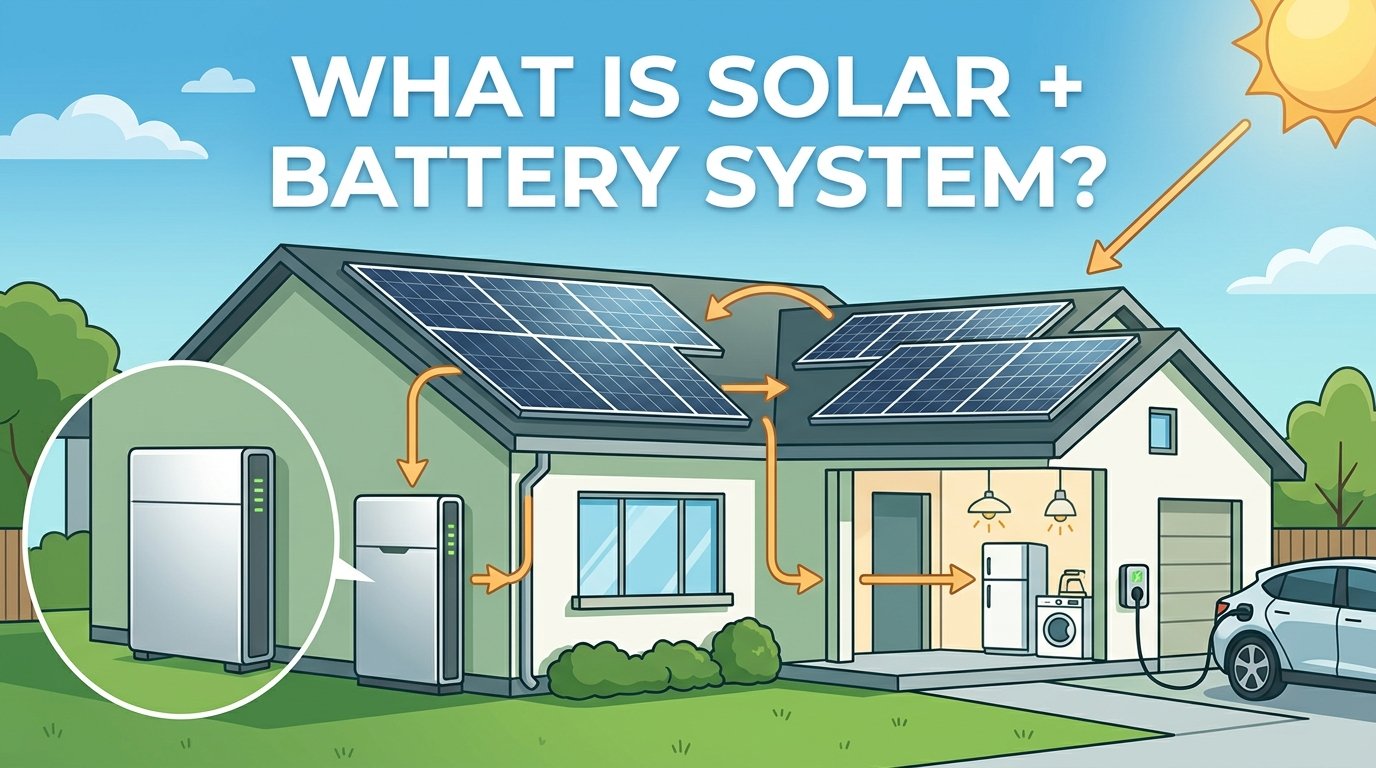
- What Is Solar + Battery System?
Have Questions About Solar for Your Property? Talk to our team to find the right solar solution for...
- Cara Kurangkan Kos Elektrik Kilang
Nak jawapan khusus untuk kes anda?Artikel ni cover asasnya. Untuk angka dan cadangan yang tepat ikut bumbung dan...
14 August 20260LikeBy Arus EnerG