Contents
- Introduction
- Solar Battery Storage: Is It Worth It for Your Business?
- Why Battery Storage Matters for Businesses
- Reduce Maximum Demand (MD) Charges
- Backup Power and Business Continuity
- Solar + Battery vs Solar Alone
- Is It the Right Time to Invest?
- Who Should Consider Solar + Battery?
- Frequently Asked Questions
- Find Out If Solar Battery Storage Is Right for Your Business
Have Questions About Solar for Your Property?
Talk to our team to find the right solar solution for your specific needs and budget.
Introduction
Electricity costs are a growing concern for Malaysian businesses, especially with TNB tariff structures that penalize high or poorly timed energy consumption. As more companies install solar panels to cut daytime electricity bills, a natural next question arises: does adding battery storage make the investment even more worthwhile, or is it an unnecessary added cost? This article breaks down what solar battery storage actually does for a business and when it makes sense.
Solar Battery Storage: Is It Worth It for Your Business?
Why Battery Storage Matters for Businesses
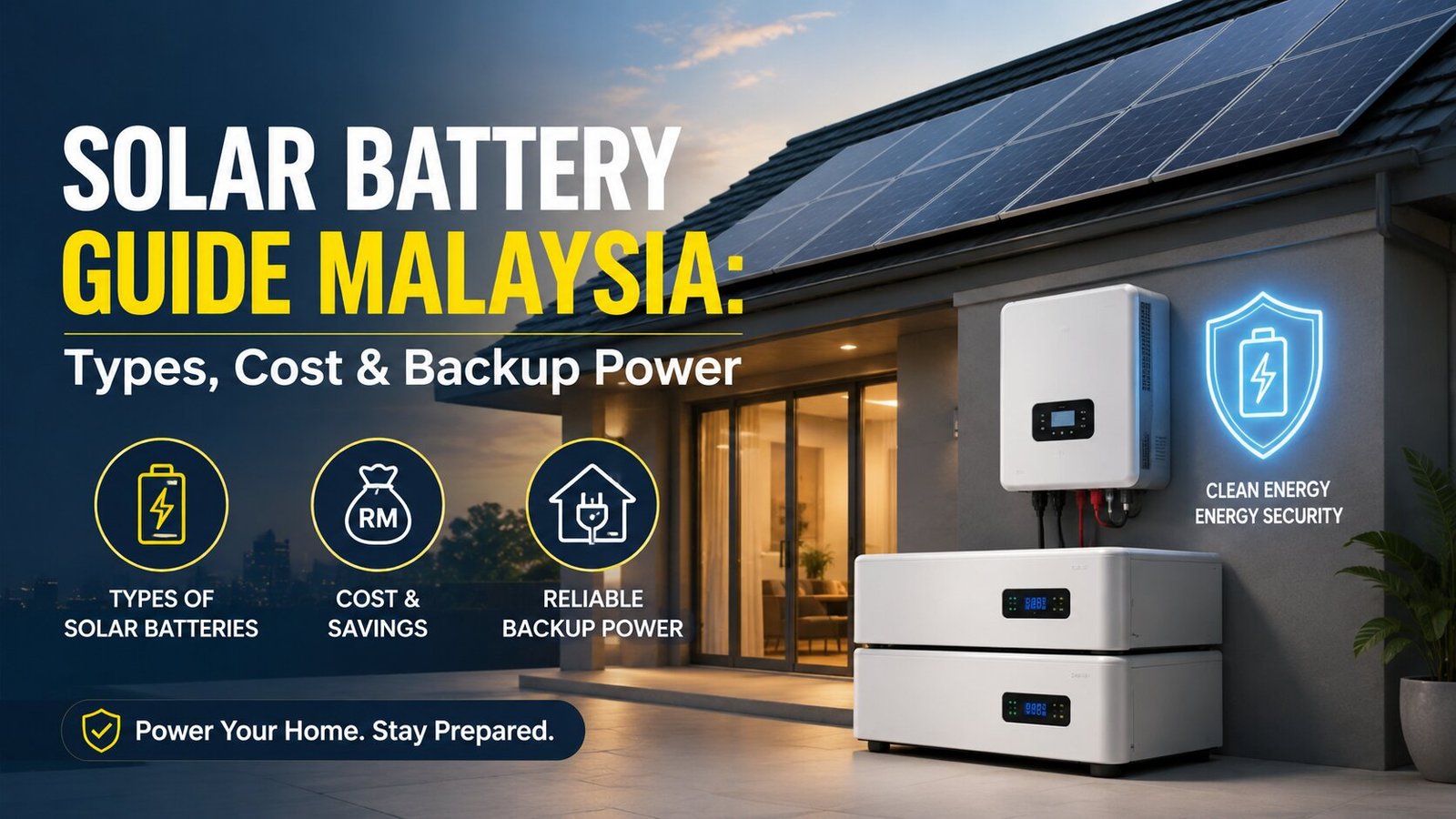
A solar panel system generates electricity only while the sun is shining, which means production peaks around midday and drops off in the evening. For many businesses, this mismatch between when solar power is generated and when it is actually needed is the main limitation of a solar-only setup. Battery storage addresses this gap by capturing excess solar energy during the day and making it available for use later, whether that is during the evening, early morning, or a sudden grid outage.
For businesses in Malaysia, this matters because commercial and industrial electricity tariffs are structured differently from residential ones. Operating hours, shift patterns, and equipment usage all affect how much value a business can extract from solar power alone. Adding a battery allows a business to shift when it draws from the grid, rather than being fully dependent on real-time solar output or unfavourable tariff periods.
In short, battery storage transforms solar from a purely daytime resource into a flexible, round-the-clock energy asset that aligns more closely with actual business operations.
Reduce Maximum Demand (MD) Charges
One of the most significant cost components for many commercial and industrial TNB customers is the Maximum Demand (MD) charge. This is billed based on the highest level of power a business draws from the grid within a set interval, regardless of how much total energy is consumed over the month. A single short spike in usage, such as multiple machines or air-conditioning units starting up at once, can push up MD charges for the entire billing cycle.
Battery storage helps manage this by supplying additional power during those peak demand moments, reducing how much the business needs to pull from the grid at any single point in time. This practice, often referred to as peak shaving, can help smooth out demand spikes and lower the MD component of the electricity bill.
For businesses with irregular or spiky power usage patterns, particularly those running heavy machinery, HVAC systems, or production equipment, this is often where battery storage delivers the most tangible financial benefit, on top of the savings already achieved through solar generation.
Backup Power and Business Continuity
Power interruptions, whether from grid faults, weather events, or scheduled maintenance, can be costly for businesses that rely on continuous operations. Solar panels alone typically shut down during a grid outage as a safety measure, which means a business without storage still loses power even if its rooftop is generating electricity at that moment.
A battery system paired with the right inverter configuration can provide backup power to critical loads during an outage, keeping essential equipment, security systems, refrigeration, servers, or production lines running. This reduces the risk of lost productivity, spoiled inventory, or disrupted service to customers.
For businesses where downtime translates directly into lost revenue or reputational damage, this continuity benefit can be just as important as the direct cost savings from reduced tariff exposure.
Solar + Battery vs Solar Alone
Solar panels alone are effective for businesses that consume most of their electricity during daylight hours, since they can offset grid usage in real time. However, any excess solar energy generated beyond what the business consumes is either exported to the grid, subject to prevailing export arrangements, or simply underutilised, depending on the system setup and applicable scheme.
Battery storage adds value by capturing that excess energy instead of letting it go to waste, storing it for use later in the day or during peak demand periods. This is especially relevant for businesses with operating hours that extend beyond daylight, such as evening shifts, 24-hour facilities, or weekend operations where solar generation is limited or absent.
The decision between solar alone and solar with battery storage ultimately comes down to a business's specific consumption pattern. Businesses considering commercial solar solutions should evaluate both options against their actual load profile rather than assuming one is universally better than the other.
Want to know how much you can save?
Send us your TNB bill and we will work out the system size and cost. Free, no commitment.
Is It the Right Time to Invest?
Whether battery storage is worth adding depends heavily on a business's individual circumstances. Key factors include the shape of the business's energy usage curve, how much of its consumption occurs outside solar generation hours, its current tariff structure and Maximum Demand exposure, and the available budget for a larger system investment.
Businesses with steady, mostly daytime consumption and low MD spikes may find that solar panels alone already deliver strong value, with battery storage offering a smaller incremental benefit. On the other hand, businesses with irregular demand patterns, extended operating hours, or a strong need for backup power are more likely to see meaningful returns from adding storage.
Because every business's electricity profile is different, guessing at the right system size or configuration can lead to overspending or underperformance. A professional site assessment that reviews actual billing data, load patterns, and operational needs is the most reliable way to determine whether solar battery storage benefits justify the additional investment for a specific business.
Who Should Consider Solar + Battery?
Certain types of businesses tend to benefit more from solar and battery systems than others. Factories and manufacturing facilities with heavy machinery often experience sharp demand spikes that drive up MD charges, making peak shaving particularly valuable. Businesses operating extended hours, including those running evening shifts or continuous production, benefit from having stored solar energy available outside daylight hours.
SMEs with sensitive equipment, cold storage, data servers, or processes that cannot tolerate power interruptions also stand to gain from the backup power capability that battery storage provides. Similarly, businesses in areas with a history of unstable grid supply may prioritise storage for continuity reasons alone, separate from cost savings.
In contrast, businesses with simple, predictable, daytime-only energy use and minimal MD exposure may find that solar panels alone already meet most of their needs. Understanding where a business falls on this spectrum is an important step before committing to a solar + battery system.
Frequently Asked Questions
Q: Is solar battery storage cost-effective for small and medium businesses?
A: It depends on the business's energy usage pattern and tariff exposure. Businesses with high Maximum Demand charges or significant after-hours consumption tend to see stronger value, while those with simple daytime usage may not need it.
Q: How long does it take for a solar battery system to pay for itself?
A: Payback periods vary based on system size, energy consumption patterns, and current electricity costs, so it is best assessed through a site-specific evaluation rather than a general estimate.
Q: Do I need battery storage if I already have solar panels?
A: Not necessarily. If your business consumes most of its electricity during the day and has low demand spikes, solar panels alone may already provide strong savings. Battery storage adds the most value when usage extends beyond daylight hours or demand is irregular.
Q: How much maintenance does a commercial battery system require?
A: Commercial battery systems are generally low-maintenance, with periodic monitoring and servicing recommended to ensure the system continues performing as expected over its lifespan.
Q: What size battery system does my business need?
A: System sizing depends on your facility's load profile, peak demand patterns, and backup requirements. A professional assessment of your electricity bills and operational needs is the most accurate way to determine the right capacity.
Find Out If Solar Battery Storage Is Right for Your Business
Every business has a different energy profile, so the right solar and battery setup depends on your actual consumption patterns, tariff structure, and operational priorities. Our team can assess your site and usage data to help you understand whether solar + battery systems make sense for your business.
- ✅ Site-specific energy assessment
- ✅ Guidance on Maximum Demand and tariff impact
- ✅ Backup power and business continuity planning
- ✅ Tailored recommendations, not one-size-fits-all packages
Professional services
Our expertise
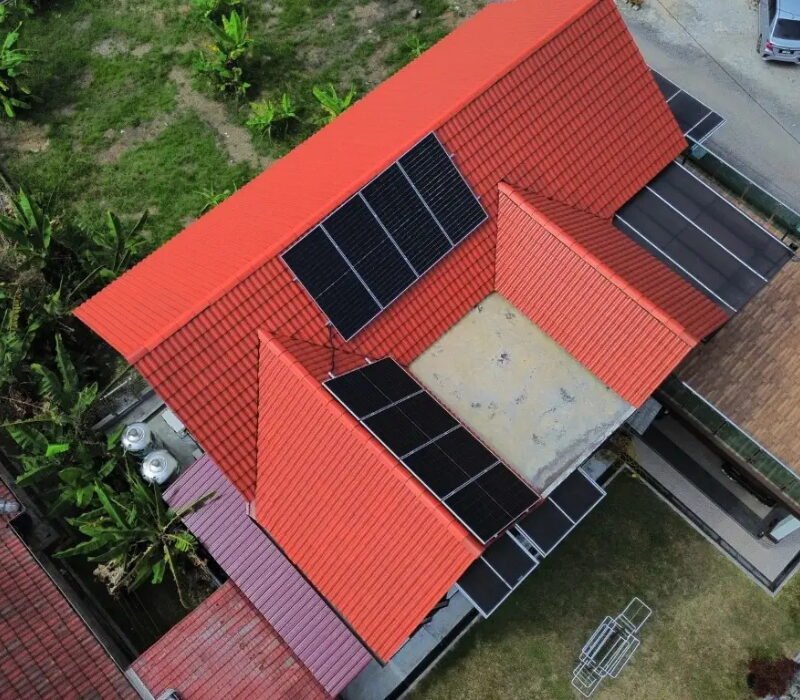
Instead of paying recurring electricity charges, invest in a system that generates its own power and reduces your long-term household expenses.
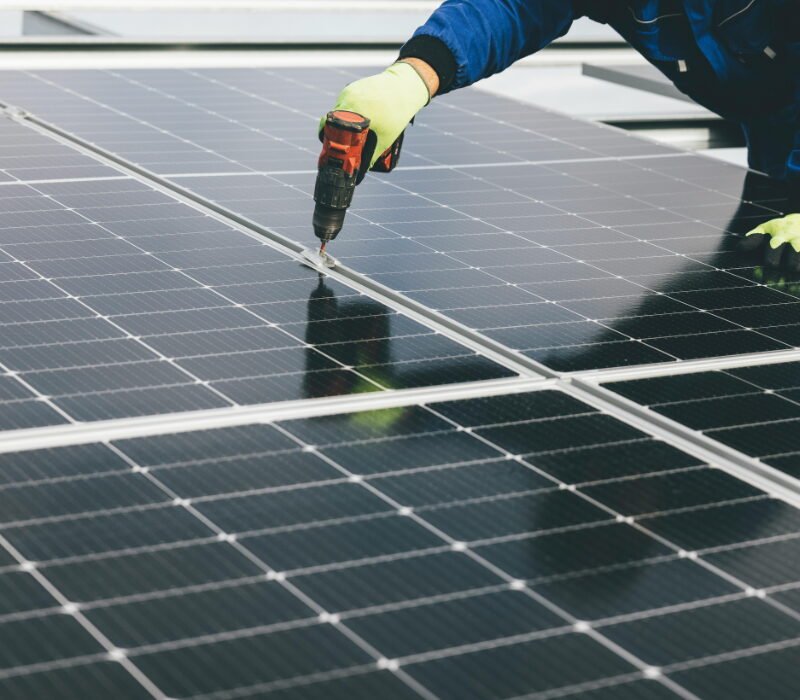
Solar panels are built to last. With minimal maintenance and strong performance warranties, a solar system continues generating savings year after year.





Ready to start?
Talk to the Arus EnerG team first. We can survey your roof and give you real numbers before you decide.
Related posts
- Cara Kurangkan Bil Elektrik Rumah
Ada Soalan Tentang Solar untuk Anda? Berbincang dengan pakar kami untuk dapatkan cadangan sistem solar yang sesuai dengan...
- Solar for Terrace Houses in Malaysia
Want an answer specific to your case?This guide covers the general picture. For numbers and advice matched to...
14 August 20260LikeBy Arus EnerG - Solar Battery Guide Malaysia: Types, Cost & Backup Power
Solar battery guide malaysia is one of the most common questions Malaysian homeowners and businesses ask before going...