Have Questions About Solar for Your Property?
Talk to our team to find the right solar solution for your specific needs and budget.
Introduction
Businesses across Malaysia are increasingly investing in commercial solar systems to reduce electricity costs, improve sustainability, and gain better control over long-term energy expenses. However, many business owners are unsure about what actually happens during a commercial solar installation.
Understanding the installation process can help you plan ahead, minimise disruptions to your operations, and ensure your solar project runs smoothly. This guide explains each stage of a typical commercial solar installation from the initial assessment to system activation.
Commercial Solar Installation Process Explained
- Initial Site Assessment
- Energy Consumption Analysis
- System Design and Proposal
- Quotation and Project Approval
- Regulatory Approvals
- Equipment Procurement
- Roof Preparation
- Mounting System Installation
- Solar Panel Installation
- Electrical Installation
- System Testing and Commissioning
- Grid Connection
- Monitoring System Setup
- Training and Handover
Update: NEM Has Ended, Solar ATAP Takes Over
2026 update: The NEM (Net Energy Metering) scheme officially ended on 30 June 2025 and is no longer accepting new registrations. The current replacement programme is Solar ATAP (Solar Accelerated Transition Action Programme), effective from 1 January 2026, with cash rebates up to RM3,000 through SuRIA Home. Read the full Solar ATAP guide here →
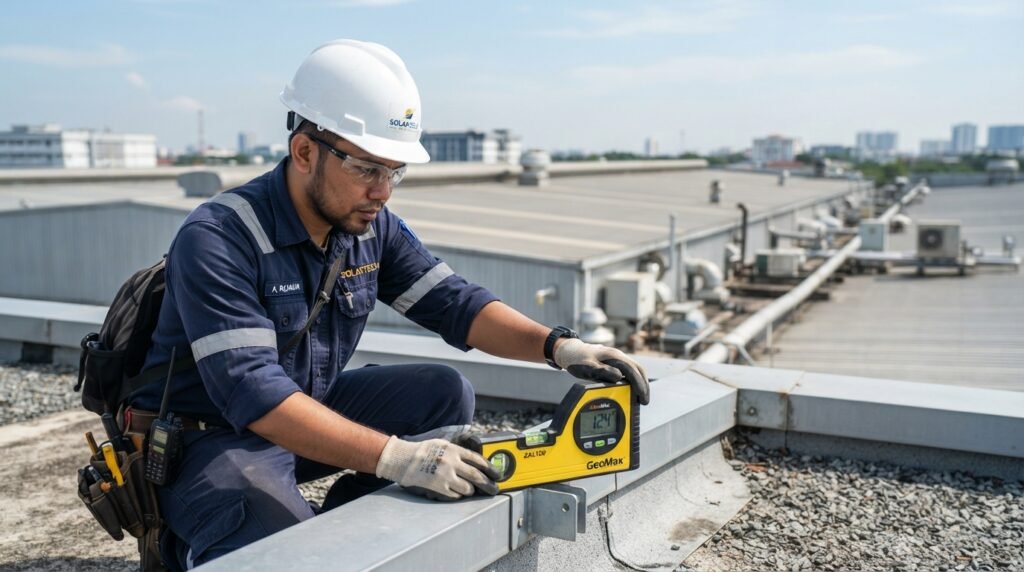
1. Initial Site Assessment
Every commercial solar project begins with a detailed site assessment. Solar professionals inspect your building to determine whether it is suitable for solar panel installation.
During the assessment, they evaluate:
- Roof size and usable space
- Roof orientation and tilt
- Structural condition of the building
- Existing electrical infrastructure
- Potential shading from nearby buildings or trees
- Current electricity consumption
This information allows engineers to determine the most suitable system size and expected energy generation.
2. Energy Consumption Analysis
Before designing the solar system, the installer analyses your electricity bills and energy usage patterns.
This helps determine:
- Monthly electricity consumption (kWh)
- Peak demand periods
- Daytime energy usage
- Future business expansion plans
- Opportunities to maximise self-consumption
A properly sized solar system delivers the best return on investment while avoiding unnecessary installation costs.
3. System Design and Proposal
Once the assessment is complete, engineers create a customised solar system design based on your business needs.
The proposal usually includes:
- Recommended system capacity (kWp)
- Estimated annual energy production
- Number of solar panels
- Inverter specifications
- Roof layout drawings
- Estimated electricity savings
- Project cost
- Return on investment (ROI)
- Estimated payback period
Modern design software also simulates how much electricity the system will generate throughout the year.
4. Quotation and Project Approval
After reviewing the proposal, your business can proceed with project approval.
At this stage, discussions usually cover:
- Project timeline
- Payment schedule
- Warranty coverage
- Equipment brands
- Installation schedule
- Maintenance options
Once approved, procurement and documentation begin.
5. Regulatory Approvals
Commercial solar installations in Malaysia require approvals from relevant authorities before installation can proceed.
These may include:
- Utility approval
- Grid connection application
- Engineering documentation
- Safety compliance
- Local authority requirements (where applicable)
Working with an experienced solar installer ensures these applications are handled correctly and efficiently.
6. Equipment Procurement
After approvals, the installer orders all required equipment.
Typical components include:
- Solar panels
- Solar inverters
- Mounting structures
- DC and AC cables
- Safety isolators
- Monitoring devices
- Protection equipment
Most commercial projects use Tier-1 solar panels and high-quality inverters for maximum reliability and long-term performance.
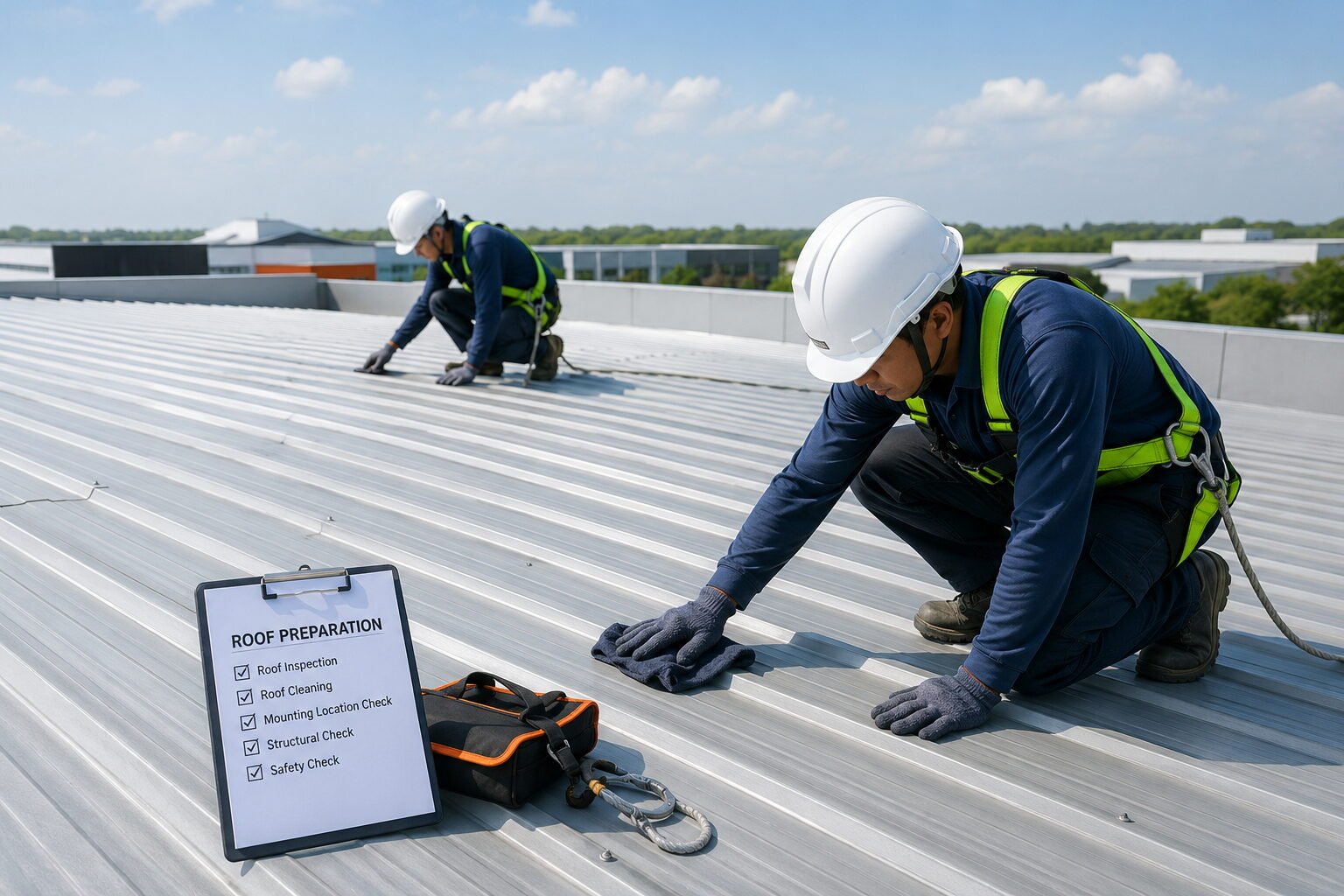
7. Roof Preparation
Before installation begins, technicians inspect the roof again to ensure it is ready for mounting.
This includes:
- Safety setup
- Roof cleaning
- Identifying mounting locations
- Verifying structural integrity
- Installing safety equipment
If repairs are needed, they should be completed before the solar panels are installed.
8. Mounting System Installation
The mounting system forms the foundation of the solar array.
Installers securely attach mounting rails to the roof structure while ensuring:
- Proper waterproofing
- Correct panel spacing
- Wind load resistance
- Compliance with engineering standards
The mounting structure is designed to withstand Malaysia's tropical weather conditions.
Want to know how much you can save?
Send us your TNB bill and we will work out the system size and cost. Free, no commitment.
9. Solar Panel Installation
Once the mounting system is complete, technicians install the solar panels.
Each panel is:
- Positioned according to the engineering design
- Securely fastened
- Connected using weather-resistant cabling
- Properly grounded for electrical safety
Careful installation ensures optimal energy production and long-term durability.
10. Electrical Installation
Qualified electricians connect the solar panels to the inverter and the building's electrical system.
This stage involves:
- DC wiring
- AC wiring
- Inverter installation
- Protection devices
- Circuit breakers
- Earthing system
- Isolation switches
All electrical work must comply with Malaysian safety standards.
11. System Testing and Commissioning
Before the system is activated, engineers conduct comprehensive testing.
They verify:
- Electrical safety
- Correct wiring
- Inverter performance
- Monitoring system operation
- Voltage and current readings
- Grid synchronisation
- Overall system performance
Any issues identified during testing are resolved before commissioning.
12. Grid Connection
Once testing is complete and all approvals are in place, the system is connected to the electricity grid.
The installer ensures the solar system operates safely alongside your existing power supply.
If your system is connected under an approved grid scheme, electricity generation will begin immediately after activation.
13. Monitoring System Setup
Most modern commercial solar systems include online monitoring platforms.
Business owners can track:
- Real-time electricity generation
- Daily energy production
- Monthly performance
- System health
- Historical data
- Carbon emission reductions
Monitoring allows issues to be identified early and ensures the system performs at its best.
14. Training and Handover
After commissioning, the installer provides system training for your team.
This usually includes:
- Understanding the monitoring platform
- Basic system operation
- Safety procedures
- Maintenance recommendations
- Warranty documentation
- Emergency contacts
A complete handover package is provided for future reference.
Frequently Asked Questions
Q: What happens during the initial site assessment for a commercial solar project?
A: Solar professionals inspect the building to check roof size and usable space, orientation and tilt, structural condition, existing electrical infrastructure, and potential shading, along with current electricity consumption, to determine the most suitable system size.
Q: Why is energy consumption analysis important before designing a commercial solar system?
A: Analysing electricity bills and usage patterns helps determine monthly consumption, peak demand periods, daytime usage, and future expansion plans, which ensures the system is properly sized for the best return on investment.
Q: Can an undersized or oversized system affect ROI?
A: Yes. A properly sized solar system delivers the best return on investment, while sizing that does not match actual usage patterns can lead to unnecessary installation costs or missed savings.
Q: Does shading from nearby buildings or trees affect the installation plan?
A: Yes, potential shading is one of the factors assessed during the site inspection since it affects panel placement and expected energy generation.
Q: Is the NEM programme still relevant for new commercial solar installations?
A: No. NEM ended on 30 June 2025 and is no longer accepting new registrations; it has been replaced by Solar ATAP, effective from 1 January 2026, which offers cash rebates up to RM3,000 through SuRIA Home.



Get a Free Consultation
Our expertise
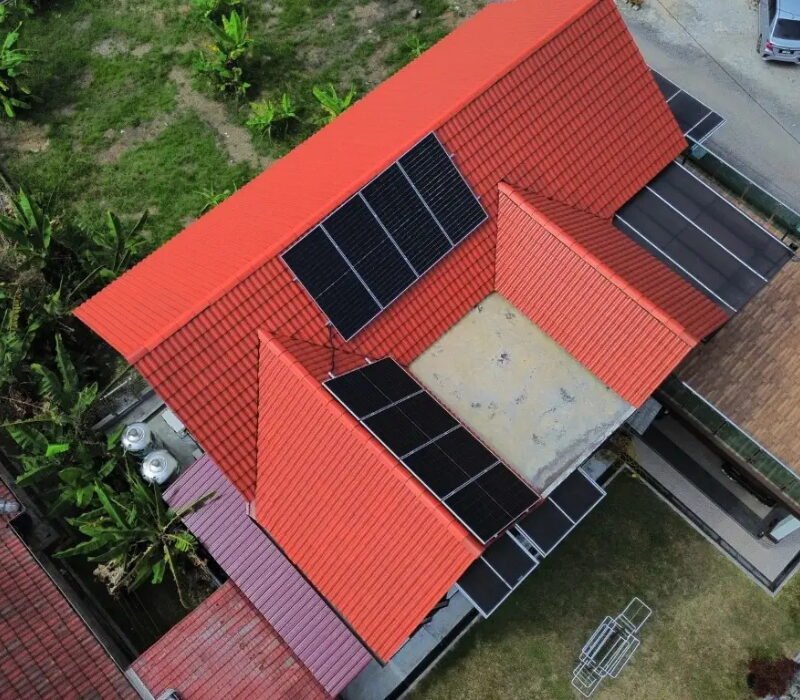
Daripada membayar caj elektrik berulang, laburkan dalam sistem yang menjana kuasanya sendiri dan mengurangkan perbelanjaan isi rumah jangka panjang anda.
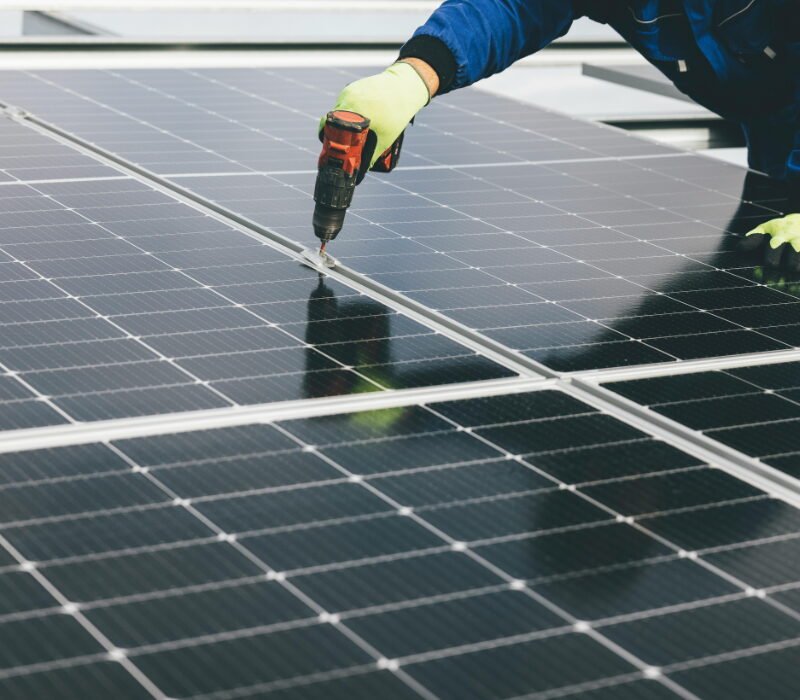
Panel solar dibina untuk tahan lama. Dengan penyelenggaraan minimum dan jaminan prestasi yang kukuh, terus menjana penjimatan tahun demi tahun.
Ada pertanyaan? Kami sedia membantu!





Ready to start?
Talk to the Arus EnerG team first. We can survey your roof and give you real numbers before you decide.
Related posts
- Memahami Waranti Panel Solar Malaysia
Nak jawapan khusus untuk kes anda?Artikel ni cover asasnya. Untuk angka dan cadangan yang tepat ikut bumbung dan...
14 August 20260LikeBy Arus EnerG - Solar Rumah Malaysia: Panduan Lengkap
Ada Soalan Tentang Solar untuk Anda? Berbincang dengan pakar kami untuk dapatkan cadangan sistem solar yang sesuai dengan...
- Solar Installation Quality Checklist
Have Questions About Solar for Your Property? Talk to our team to find the right solar solution for...