Contents
- Key Takeaways: Residential solar Malaysia
- Introduction
- How Solar Power Systems Work
- Why Many Homeowners Choose Solar Energy
- How Solar Panels Generate Electricity
- How Much It Costs to Install a Solar System
- Is a Solar System Worth It
- How to Maintain Solar Panels
- What to Check Before Installing Solar
- Why Choose Arus EnerG?
- Frequently Asked Questions (FAQ): Residential solar Malaysia
Want an answer specific to your case?
This guide covers the general picture. For numbers and advice matched to your roof and your bill, talk to the Arus EnerG team.
Key Takeaways: Residential solar Malaysia
This guide explains residential solar Malaysia for homeowners, based on current terms and figures.
- Start from your TNB bill, not your roof — consumption sets the useful system size.
- Solar ATAP caps domestic systems at 5 kW single-phase or 15 kW three-phase.
- SuRIA Home pays RM600 per kWac up to RM3,000, subject to terms and allocation.
- Self-consumption is worth more than export, so daytime usage patterns matter.
- A grid-tied system without a battery will not run during a blackout.
Introduction
Many people are choosing solar to lower their electricity bills and save money over the long run. Malaysia receives sunlight almost all year round. As a result, solar energy is well suited for use in most homes.
If you’re planning to install solar panels at home, this guide explains how the system works, its cost, and what you should check before making a decision.
Read this article: the right solar panel for your home
- How Solar Power Systems Work
- Why Many Homeowners Choose Solar Energy
- How Solar Panels Generate Electricity
- How Much It Costs to Install a Solar System
- Is a Solar System Worth It
- How to Maintain Solar Panels
- What to Check Before Installing Solar
Update: NEM Has Ended, Solar ATAP Takes Over
2026 update: The official NEM (Net Energy Metering) scheme ended on 30 June 2025 and is no longer accepting new registrations. The replacement scheme is now Solar ATAP (Solar Accelerated Transition Action Programme), effective from 1 January 2026, offering a cash rebate of up to RM3,000 through SuRIA Home. Read the full Solar ATAP guide here →
How Solar Power Systems Work
This system uses panels to convert sunlight into electricity.
This electricity can power lights, air conditioners, refrigerators and other electrical appliances in the home.
Main Components of a Solar System
- Solar panels
- Inverter
- Mounting structure
- Electrical cables
- Monitoring system
During the day, the system generates electricity for the home.
Bring twelve months of TNB bills to your first conversation, not one. A single bill hides seasonal variation — school holidays, festive periods, someone working from home for part of the year. Twelve months gives an installer a real load profile, and a real load profile produces a system size you will not regret.
Why Many Homeowners Choose Solar Energy
Many homeowners are starting to see solar as a way to control their monthly electricity costs.
Benefits of Using Solar for Your Home
Lower Electricity Bills
The home can generate its own electricity.
Less Affected by Tariff Increases
Solar energy helps reduce the impact of tariff increases
Savings Over the Long Term
Many solar panels can last more than 25 years.
Better for the Environment
Solar uses sunlight and does not produce carbon emissions.
How Solar Panels Generate Electricity
The process is simple and happens automatically every day.
How Solar Panels Produce Electricity
- Panels absorb sunlight.
- Light is converted into electricity.
- The inverter converts the electricity so it can be used in the home.
- Electricity is used to power appliances in the home.
- Excess energy can be sent to the grid if needed.
In addition, you can also check your electricity output through an app.
How Much It Costs to Install a Solar System
Cost depends on the system size and your monthly electricity bill.
Estimated Cost of a Residential Solar System
- 3kW for homes with moderate bills
- 5kW for homes with higher usage
- 8kW and above for larger homes
Although the upfront cost is relatively high, many homeowners start saving on their electricity bills after a few years.
Is a Solar System Worth It
In most cases, the answer is yes.
Who Is a Good Fit for Solar?
- Electricity bill exceeds RM300 a month
- Frequently uses air conditioning
- High levels of daytime activity
- Roof receives good sunlight
- Sufficient roof space
The higher your electricity bill, the more you can save.
How to Maintain Solar Panels
Solar systems don’t require much maintenance.
Simple Maintenance Steps
- Clean the panels from time to time
- Make sure no leaves are covering the panels
- Check the system readings through the app.
In addition, solar panels are designed to withstand hot and rainy weather.
What to Check Before Installing Solar
Before making a decision, there are several things you should check.
Roof Condition
Make sure your roof is in good condition.
Amount of Sunlight Received
The more sunlight received, the more electricity can be generated.
Monthly Electricity Bill
Your electricity bill helps you choose the right system size.
Choice of Solar Company
Choose a company with experience and a good track record.
Why Choose Arus EnerG?
Arus EnerG makes it easy for homeowners to switch to solar energy.
Solar Services by Arus EnerG
- Site assessment
- System design
- Solar panel supply
- Installation work
- System testing
- After-sales support
Our team will help you choose a system that suits your home and budget.
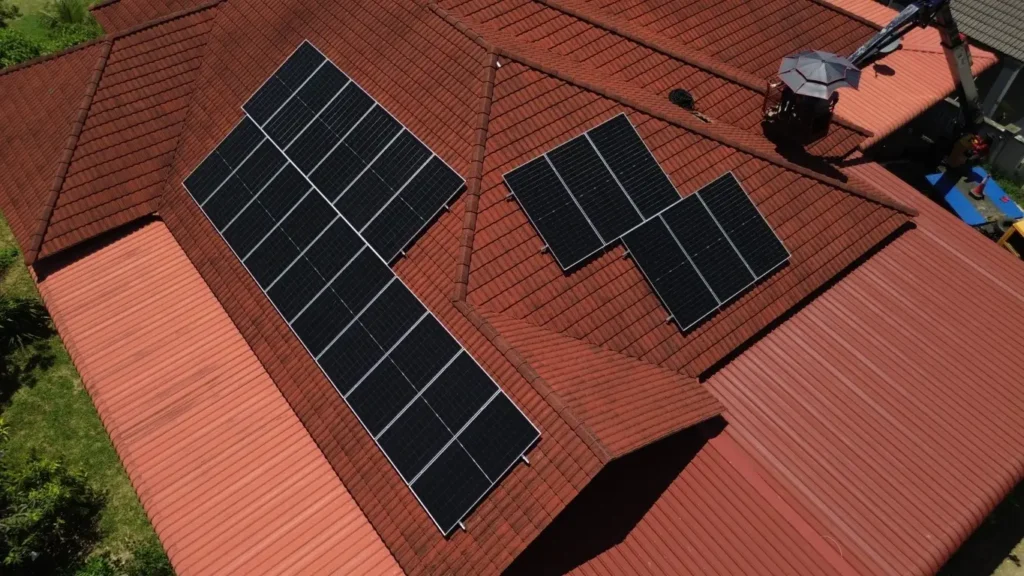
Solar panels are usually the longest-lived part of the system, often warranted for performance out to 25 years. The inverter typically has a shorter service life. When you compare long-term projections, check whether one inverter replacement has been costed in — many projections quietly leave it out.
In short, residential solar Malaysia works best when the system is sized against real consumption and installed by a registered contractor.
Untuk residential solar Malaysia, Arus EnerG tawarkan penilaian tapak dan konsultasi percuma tanpa sebarang obligasi.
Registered, certified and recognised by






Want to know how much you can save?
Send us your TNB bill and we will work out the system size and cost. Free, no commitment.
Frequently Asked Questions (FAQ): Residential solar Malaysia
Soalan yang paling kerap ditanya tentang residential solar Malaysia:
Q: What are the main components in a residential solar system?
A: The main components include solar panels, an inverter, mounting structure, electrical cables and a monitoring system. The panels convert sunlight into electricity, and the inverter converts it so it can be used in the home.
Q: How do solar panels generate electricity for a home?
A: The panels absorb sunlight, which is then converted into electricity. The inverter then converts that electricity so it’s suitable for use with lights, air conditioners, refrigerators and other electrical appliances in the home.
Q: What are the main benefits of installing solar at home?
A: The benefits include lower electricity bills because the home can generate its own electricity, less exposure to tariff increases, long-term savings since panels can last more than 25 years, and being more environmentally friendly since it does not produce carbon emissions.
Q: How long can a residential solar system last?
A: Most solar panels can last more than 25 years, making them a long-term investment for reducing monthly electricity costs.
Q: Can the NEM scheme still be used for new residential solar installations?
A: No. The official NEM scheme ended on 30 June 2025. The replacement scheme is now Solar ATAP, effective from 1 January 2026, offering a cash rebate of up to RM3,000 through SuRIA Home.


5.0
29 Reviews
Excellent score

Get a Free Consultation
Professional Service
Our Expertise
Residential Solar
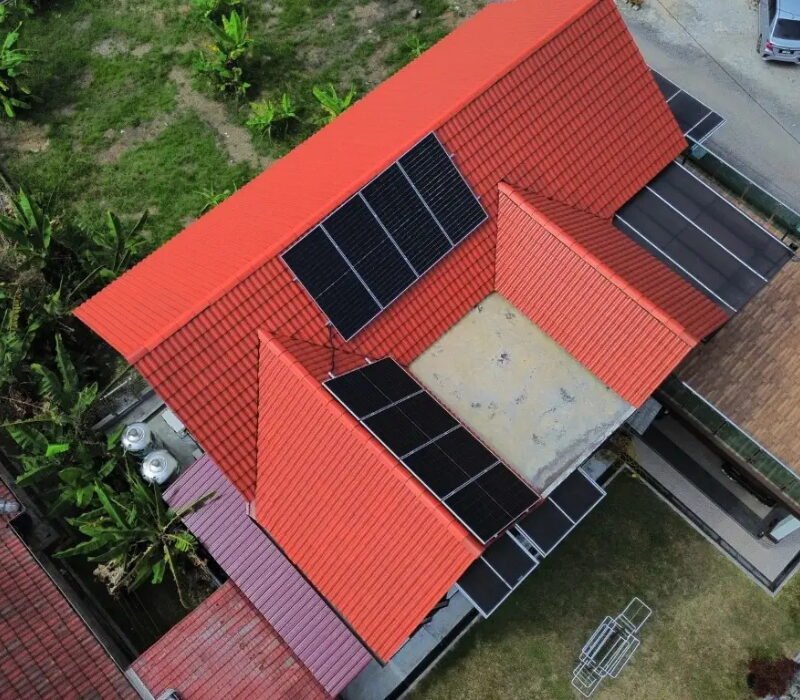
Instead of paying recurring electricity charges, invest in a system that generates its own power and reduces your household expenses in the long run.
Commercial Solar
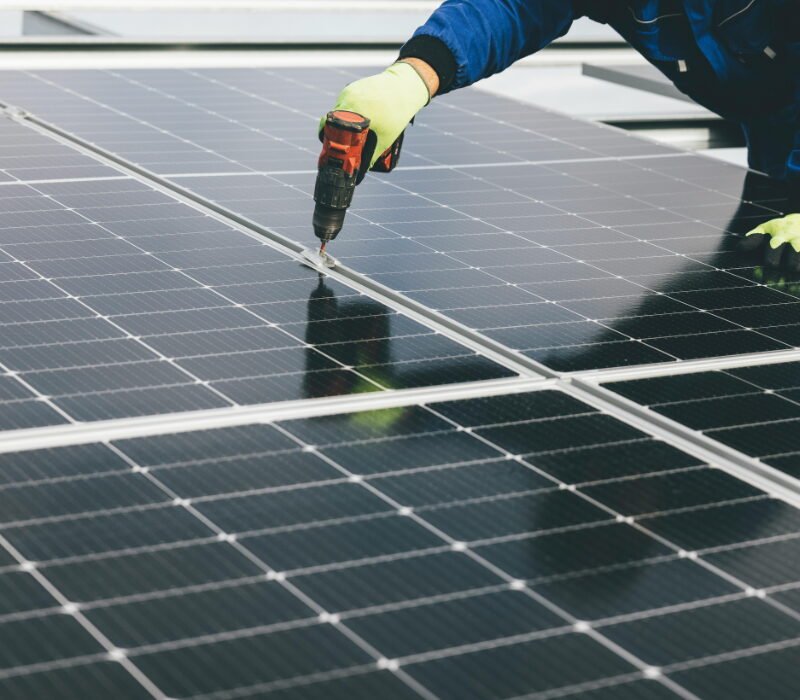
Solar panels are built to last. With minimal maintenance and a strong performance warranty, they keep generating savings year after year.
Have a question? We’re happy to help!



Related Articles about residential solar Malaysia
- Solar Panel for Home Malaysia (Packages & Pricing)
- Residential Solar ROI Malaysia
- Why Is My TNB Bill So High?
- What Is NEM 3.0 Malaysia?
Ready to start?
Talk to the Arus EnerG team first. We can survey your roof and give you real numbers before you decide.
- How Solar Supports ESG Goals for Companies
Have Questions About Solar for Your Property? Talk to our team to find the right solar solution for...
- Memahami Waranti Panel Solar Malaysia
Nak jawapan khusus untuk kes anda?Artikel ni cover asasnya. Untuk angka dan cadangan yang tepat ikut bumbung dan...
- Office Electricity Saving Tips for Businesses
Choose Safe, Reliable Solar with Arus EnerG Contact Arus EnerG today for a free consultation and discover how...