Contents
- Introduction
- Understanding Residential Solar ROI in Malaysia
- What Determines Your Solar ROI
- How NEM 3.0 Affects Your Payback Period
- Upfront Cost vs Long-Term Savings
- Maximising Your Return
- Financing Options and Upfront Cost
- Is Residential Solar Worth It for Your Home?
- Frequently Asked Questions
- See What Solar Could Save You
Have Questions About Solar for Your Property?
Talk to our team to find the right solar solution for your specific needs and budget.
Introduction
Solar panels are a significant upfront investment, so it is natural for Malaysian homeowners to ask whether the numbers actually work out in their favour. The honest answer is that residential solar ROI depends on your household's specific circumstances, but for most homes in Malaysia's high-sun, high-tariff environment, a well-sized system tends to pay for itself over time and continue generating savings for years after.
What Determines Your Solar ROI
There is no single number that applies to every home when it comes to residential solar ROI, because the return depends on how a household actually consumes electricity. A family that runs air conditioning, washing machines, and other appliances mostly during the day will draw more directly from their solar panels in real time, which is where the savings are strongest. A household that is largely empty during working hours and consumes most of its electricity at night will still benefit, but the value proposition looks a little different.
Your TNB tariff bracket matters too, since households in higher consumption tiers pay more per unit and therefore stand to save more per unit of solar electricity they generate and use. Beyond usage patterns, the physical characteristics of your home play a big role: roof size and orientation affect how much sunlight your panels can capture, and any shading from trees, taller buildings, or water tanks can reduce output.
Finally, the size of the system you install and its upfront cost need to be matched sensibly to your consumption. An oversized system relative to your usage may take longer to pay back, while an undersized one leaves potential savings on the table. This is why a proper site assessment, rather than a generic rule of thumb, is the starting point for understanding residential solar solutions and their real payback potential.
How NEM 3.0 Affects Your Payback Period
Malaysia's net energy metering framework, currently in its NEM 3.0 iteration, governs how excess solar electricity your home generates but does not use is credited back to you. Under this scheme, self-consumption, meaning using the solar power you generate as you generate it, is generally the most valuable way to benefit from your system, since it directly offsets electricity you would otherwise be buying from TNB at retail rates.
Electricity you export to the grid is credited differently, so the value of exported solar power is typically lower than the value of power you consume yourself. This is an important shift in mindset from older feed-in style schemes, and it means that how you time your household's electricity use can meaningfully affect your overall ROI. Running high-consumption appliances during peak sunlight hours, rather than exporting that unused capacity, tends to improve returns.
Understanding the mechanics of NEM 3.0 before you commit to a system size helps set realistic expectations. A qualified installer can walk you through how your specific export and consumption profile is likely to play out under the current scheme, rather than relying on assumptions carried over from older policies.
Upfront Cost vs Long-Term Savings
It is easy to focus only on the upfront cost of a solar installation, but the more useful way to evaluate residential solar ROI is to think of it as a long-term asset rather than a one-time purchase. Once installed, a solar system continues to generate electricity for decades, with most components carrying multi-year warranties that reflect their expected lifespan.
This long-term view matters because electricity tariffs in Malaysia have historically trended upward over time as generation and distribution costs rise. A solar system locks in a portion of your household's electricity needs at a cost that does not increase with future tariff adjustments, which becomes more valuable the longer you own your home and the system.
Viewed this way, the upfront investment is less like an expense and more like prepaying for a chunk of your future electricity use at today's effective cost. For homeowners planning to stay in their property for the medium to long term, this is often where the strongest case for how much solar can save you comes into focus.
Maximising Your Return
Getting the best possible ROI from residential solar starts with right-sizing the system to your household's actual consumption rather than simply maximising the number of panels your roof can hold. An installer who takes time to review your electricity bills and usage habits before recommending a system size is more likely to deliver a setup that pays back efficiently.
Because self-consumption is generally more valuable than exported electricity under NEM 3.0, shifting some daily habits, such as running the washing machine, pool pump, or charging devices during daylight hours, can help you use more of the power your panels generate in real time. Simple changes like these, made consistently, add up over the life of the system.
Ongoing maintenance also protects your return. Keeping panels clean, ensuring the inverter is functioning properly, and monitoring output regularly helps catch issues early before they quietly erode performance. Choosing quality components and a reputable installer upfront reduces the likelihood of costly repairs or premature replacement, which protects the long-term economics of the system.
Want to know how much you can save?
Send us your TNB bill and we will work out the system size and cost. Free, no commitment.
Financing Options and Upfront Cost
Homeowners generally have more than one way to fund a solar installation. Some choose to pay for the system outright, which typically means the full value of future savings accrues to the household from day one without any ongoing repayment obligation. Others prefer financing or instalment plans, which spread the cost over a period of time and lower the barrier to entry.
The path you choose affects the shape of your ROI rather than whether ROI exists at all. Paying upfront generally means savings are recognised sooner in a simple cash-flow sense, while financing means part of your monthly electricity savings may go toward loan repayments for a period, after which the full savings benefit is realised. Both approaches can make sense depending on your financial situation and priorities.
It is worth discussing the available options with your installer, including any financing partners they work with, so you can compare how each approach affects your effective payback timeline and monthly cash flow before deciding what fits your household best.
Is Residential Solar Worth It for Your Home?
Because residential solar ROI depends on so many household-specific factors, from your electricity usage pattern to your roof's orientation to your tariff bracket, generic averages and rule-of-thumb figures can only tell you so much. Two homes on the same street can have meaningfully different payback outlooks depending on how their occupants use electricity day to day.
The most reliable way to understand whether solar makes sense for your specific home is a personalised assessment that looks at your actual bills, roof conditions, and household habits. This gives you a realistic picture rather than a broad estimate that may not reflect your circumstances.
If you are weighing up solar panels for homes in Malaysia and want to know what the numbers could look like for your own property, a proper site evaluation is the next sensible step, rather than relying on averages that were never calculated for your household in the first place.
Frequently Asked Questions
Q: How long does it typically take for residential solar to pay for itself in Malaysia?
A: Payback periods vary by household depending on usage patterns, tariff bracket, and system size, so it is best determined through a personalised assessment rather than a fixed timeframe.
Q: Does NEM 3.0 mean exporting solar electricity is no longer worthwhile?
A: Exporting still has value, but self-consuming the electricity you generate is generally more valuable, which is why usage timing matters more under the current scheme.
Q: Will a bigger solar system always give a better ROI?
A: Not necessarily. A system sized to match your household's actual consumption tends to deliver a more efficient return than one that is oversized relative to your usage.
Q: Do I need to change my daily habits to benefit from solar?
A: You do not have to, but shifting some electricity use to daylight hours can help you capture more value from self-consumption under NEM 3.0.
Q: Is it better to pay upfront or use financing for a solar system?
A: Both are valid options. Paying upfront generally realises full savings sooner, while financing lowers the initial barrier and spreads the cost over time, so the right choice depends on your financial situation.
See What Solar Could Save You
Every home's electricity usage, roof, and tariff situation is different, which means the only way to know your real residential solar ROI is to have your specific property assessed. Our team can walk through your bills, roof layout, and daily usage patterns to give you a realistic picture of what solar could mean for your household.
- ✅ Personalised assessment based on your actual electricity bills
- ✅ System sizing matched to your household's real usage
- ✅ Clear breakdown of NEM 3.0 self-consumption vs export value
- ✅ Guidance on financing and payment options that suit you
Professional services
Our expertise
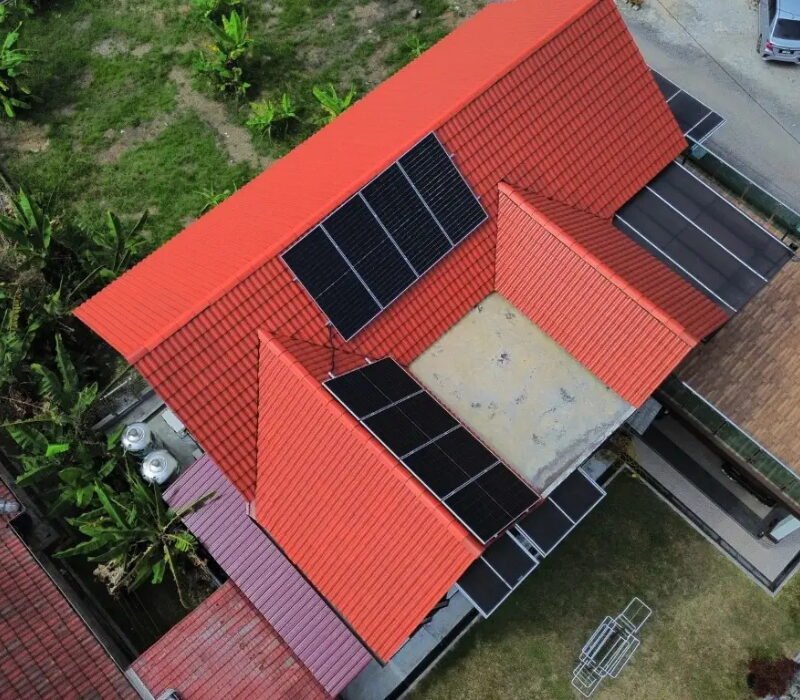
Instead of paying recurring electricity charges, invest in a system that generates its own power and reduces your long-term household expenses.

Solar panels are built to last. With minimal maintenance and strong performance warranties, a solar system continues generating savings year after year.




Ready to start?
Talk to the Arus EnerG team first. We can survey your roof and give you real numbers before you decide.
Related posts
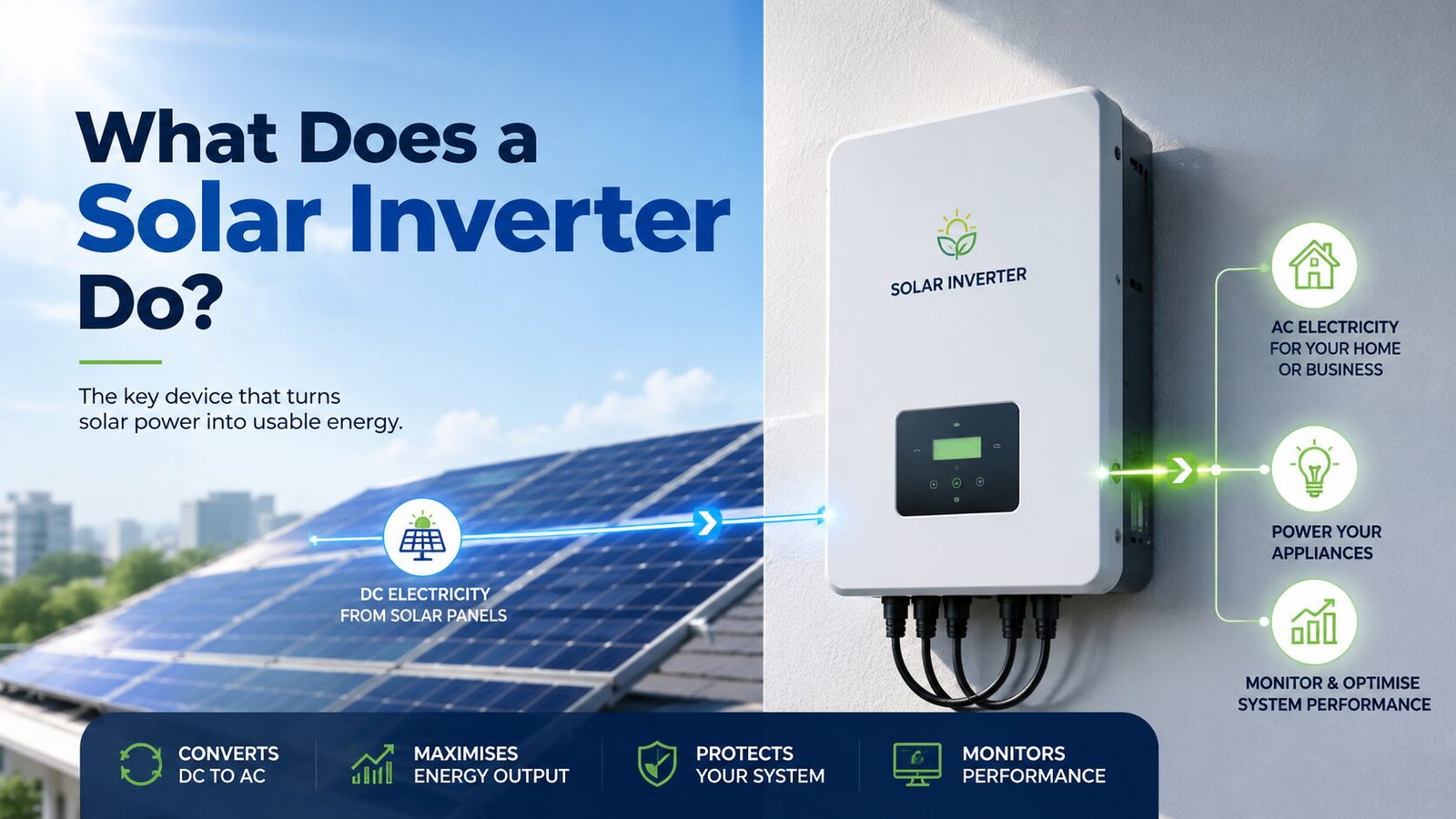
- What Does a Solar Inverter Do?
Choose Safe, Reliable Solar with Arus EnerG Wondering what does a solar inverter do in your solar PV...
- Solar Company Negeri Sembilan: Pilih Pemasang Solar Yang Betul
Cari syarikat solar Negeri Sembilan yang boleh dipercayai? Hubungi Arus EnerG hari ini untuk konsultasi percuma dan ketahui...
- Rebat SuRIA Home 2026: RM3,000, Syarat & Deadline
Rebat SuRIA Home bayar RM600/kWac sehingga RM3,000 untuk pemilik rumah Solar ATAP. Syarat kelayakan, proses tuntutan, bila duit...
22 August 20260LikeBy Arus EnerG