Contents
- Introduction
- Solar Installation Checklist: What Every Malaysian Buyer Should Verify
- Check SEDA Registration and Licensing
- Verify Panel and Inverter Quality (Tier 1)
- Review the System Design and Site Assessment
- Confirm Warranty and After-Sales Support
- Check the Installation Process and Safety Standards
- Red Flags to Watch Out For
- Frequently Asked Questions
- Work With a Solar Installer You Can Verify
- Our expertise
Have Questions About Solar for Your Property?
Talk to our team to find the right solar solution for your specific needs and budget.
Introduction
With so many solar companies now operating across Malaysia, quality can vary widely from one installer to the next. A structured checklist helps homeowners and businesses separate properly licensed, competent installers from those cutting corners, so your investment performs safely and reliably for decades.
Solar Installation Checklist: What Every Malaysian Buyer Should Verify
Check SEDA Registration and Licensing
Before any conversation about panels or pricing, confirm that the company you are dealing with is a SEDA Registered PV Service Provider (RPVSP). This registration is issued by the Sustainable Energy Development Authority (SEDA) Malaysia and is required for companies that design, supply, and install solar PV systems in the country. It is one of the clearest signals that an installer meets the technical and safety standards set by the industry regulator.
Ask the company for their RPVSP registration number and verify it directly through SEDA's official channels rather than taking a sales representative's word for it. A legitimate installer will have no hesitation sharing this information, since it is public and tied to their business registration.
This step matters because SEDA registration also affects your eligibility for schemes like Net Energy Metering (NEM) and other government initiatives. If you are still comparing providers, our guide on how to choose a solar company in Malaysia covers this and other due diligence steps in more detail.
Verify Panel and Inverter Quality (Tier 1)
The panels and inverter are the core components of your system, and their quality has a direct impact on how much electricity you generate and how long the system lasts. Ask your installer which brands they use and whether the panels are classified as Tier 1. This classification, tracked by BloombergNEF, reflects manufacturers with strong financial backing, established manufacturing history, and consistent bankability, which generally translates to better build quality and more reliable long-term performance.
The inverter deserves equal attention, since it converts the DC electricity from your panels into usable AC power and is often the first component to require servicing or replacement. Reputable inverter brands with a proven track record in Malaysia's climate and grid conditions are worth asking about specifically, along with the warranty length attached to the unit.
If you are unfamiliar with these terms, it is worth reading up on what Tier 1 solar panel means before signing a quotation, so you know exactly what you are paying for and can compare proposals on equal footing.
Review the System Design and Site Assessment
A trustworthy installer does not simply hand you a generic quote based on your roof size. They should conduct an actual site assessment that includes shading analysis, roof orientation and tilt evaluation, and a check of your existing electrical setup. Shading from nearby buildings, trees, or water tanks can significantly affect output, and a proper assessment accounts for this before any system is designed.
Roof structural suitability is another area that should never be skipped. Your installer should evaluate whether your roof type and condition can safely support the weight and mounting requirements of the panels, particularly for older properties or roofs that have not been recently inspected. Skipping this step can lead to leaks, structural stress, or costly rework later.
For commercial properties, this process tends to be more involved, often requiring load calculations, engineering sign-off, and coordination across multiple stakeholders. Our overview of the commercial solar installation process explains what businesses should expect at each stage.
Confirm Warranty and After-Sales Support
Solar systems are a long-term investment, so warranty terms deserve careful scrutiny. There are generally two separate warranties to check: the product warranty covering the panels and inverter themselves, and the workmanship warranty covering the quality of the installation. These are provided by different parties, the manufacturer and the installer respectively, and both should be clearly stated in writing.
Ask specific questions about what happens if something breaks. Who do you contact, how quickly are issues typically addressed, and does the installer have a local service team or do you need to deal with an overseas manufacturer directly? A company that struggles to answer these questions clearly is a company that may be difficult to reach once your system is up and running.
It also helps to ask whether the installer offers any form of monitoring or maintenance support after installation, since ongoing visibility into your system's performance makes it much easier to catch issues early.
Want to know how much you can save?
Send us your TNB bill and we will work out the system size and cost. Free, no commitment.
Check the Installation Process and Safety Standards
Proper installation involves more than mounting panels on a roof. Your installer should handle the necessary permits and coordinate the grid connection process with the utility provider on your behalf, including all required documentation and inspections. If a company is vague about this process or expects you to manage it yourself, that is a sign they may lack the experience to see a project through to completion.
Safety compliance during installation is equally important, both for the installation crew and for your property. This includes proper grounding and earthing, correctly rated wiring and circuit protection, and adherence to established electrical and rooftop safety practices throughout the project.
For a closer look at what proper compliance involves, our article on solar safety standards in Malaysia walks through the key requirements installers should be following on every job.
Red Flags to Watch Out For
Certain warning signs tend to appear consistently among lower quality installers. Pressure sales tactics, such as discounts that expire "today only" or pushing you to sign before you have had time to compare other quotations, are a common tactic used to prevent proper due diligence. A legitimate installer understands that solar is a significant decision and will give you time to consider your options.
Quotations that are unusually low compared to others in the market are also worth questioning. While pricing does vary, an offer that is far below competitors often reflects lower quality components, inexperienced installation crews, or hidden costs that surface later. Take time to understand what exactly is included in the price before assuming it is a good deal.
Finally, be cautious of any company that skips a physical site visit, avoids putting terms in a written contract, or is unable to clearly explain their SEDA registration, warranty terms, or after-sales process. These gaps are rarely accidental and usually point to a company that is not equipped to support you beyond the initial sale.
Frequently Asked Questions
Q: How do I confirm an installer is SEDA registered?
A: Ask for their RPVSP registration number and verify it against SEDA Malaysia's official records rather than relying on claims made in marketing materials.
Q: What does Tier 1 actually mean for solar panels?
A: It is a classification tracked by BloombergNEF that reflects a manufacturer's financial stability and manufacturing track record, generally indicating more reliable build quality.
Q: Should I always choose the cheapest quotation?
A: Not necessarily. Unusually low quotes often involve lower grade components or hidden costs, so it is important to compare what is actually included before deciding based on price alone.
Q: What is the difference between product warranty and workmanship warranty?
A: Product warranty covers the panels and inverter and is provided by the manufacturer, while workmanship warranty covers the quality of the installation itself and is provided by the installer.
Q: Is a site visit really necessary before getting a quote?
A: Yes. A proper site visit allows the installer to assess shading, roof condition, and your electrical setup, all of which affect system design and expected performance.
Work With a Solar Installer You Can Verify
Choosing a solar installer is easier when you know exactly what to check, but it still helps to have a team walk through your specific site and goals with you. Arus EnerG works with homeowners and businesses across Malaysia to assess roofs, design systems, and explain every part of the process clearly before any commitment is made.
- ✅ SEDA registered PV service provider
- ✅ Tier 1 panels and reputable inverter brands
- ✅ Proper site assessment and structural checks
- ✅ Clear warranty and after-sales support
Professional services
Our expertise
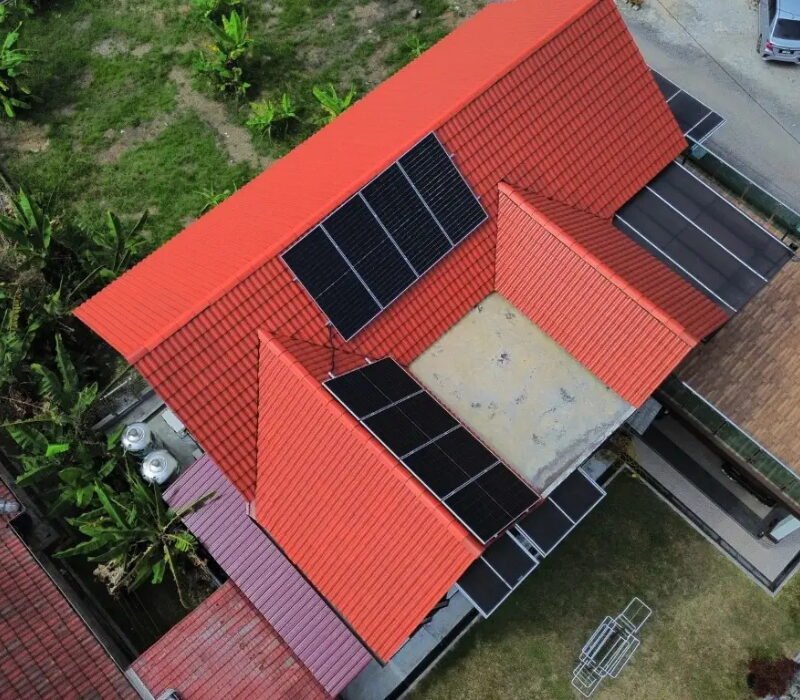
Instead of paying recurring electricity charges, invest in a system that generates its own power and reduces your long-term household expenses.
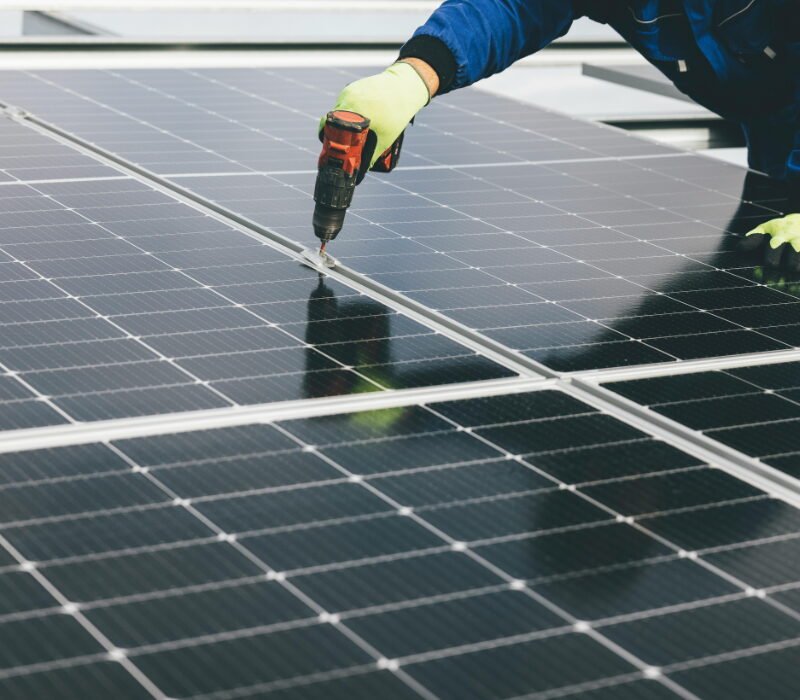
Solar panels are built to last. With minimal maintenance and strong performance warranties, a solar system continues generating savings year after year.



Ready to start?
Talk to the Arus EnerG team first. We can survey your roof and give you real numbers before you decide.
Related posts
- Insentif Solar Malaysia 2026: Solar ATAP, GITA & GITE
Insentif solar malaysia adalah antara soalan paling biasa ditanya pemilik rumah dan perniagaan Malaysia sebelum pasang solar. Halaman...
- Solar ATAP Credits Expire Every Month: What That Means
Unused Solar ATAP credits are forfeited at the end of each billing period. That changes the right system...
22 August 20260LikeBy Arus EnerG - Syarikat Solar Kedah
PengenalanJika anda sedang mencari syarikat solar di Kedah yang boleh dipercayai, memilih pembekal solar yang betul adalah langkah...