Contents
- Introduction
- Solar Safety Standards in Malaysia: What Every Property Owner Should Know
- Why Solar Safety Matters
- Who Regulates Solar Safety in Malaysia?
- Key Solar Safety Standards
- Importance of Certified Components
- Common Solar Safety Risks
- Importance of Regular Maintenance
- Why Choose a Professional Solar Installer?
- Frequently Asked Questions
- Conclusion
- Our expertise
Have Questions About Solar for Your Property?
Talk to our team to find the right solar solution for your specific needs and budget.
Introduction
Solar energy is growing fast across Malaysia. As more homes and businesses install solar panels, safety matters just as much as savings.
Your solar PV system needs to meet Malaysian safety standards. This applies whether it is a small rooftop system or a large commercial array. A properly designed, certified installation protects your investment. It also keeps your family, employees, and property safe from electrical hazards.
This guide covers:
- The key solar safety standards in Malaysia
- Common safety risks to watch for
- Why choosing a qualified solar installer matters
Solar Safety Standards in Malaysia: What Every Property Owner Should Know
Why Solar Safety Matters
Solar panels generate electricity whenever they are exposed to sunlight. Unlike conventional electrical systems, PV modules keep producing voltage during the day. This happens even when the main power supply is switched off.
Without proper installation and protection, a poorly designed system may lead to:
- Electric shock
- Fire hazards
- Equipment damage
- Reduced system lifespan
- Costly repairs
- Insurance claim issues
Fortunately, Malaysia has clear regulations and technical standards. These help keep solar systems safe throughout their operating life.
Who Regulates Solar Safety in Malaysia?
Three organisations oversee solar installation safety in Malaysia:
Suruhanjaya Tenaga (Energy Commission)
ST regulates electrical installations and enforces electricity safety requirements in Peninsular Malaysia. It publishes guidelines for solar PV systems and oversees compliance.
SEDA Malaysia
SEDA develops programmes that encourage renewable energy adoption. It also promotes safe, quality solar installations through technical guidelines.
Standards Malaysia
Malaysia adopts internationally recognised IEC standards as Malaysian Standards (MS). This keeps local solar installations in line with globally accepted safety requirements.
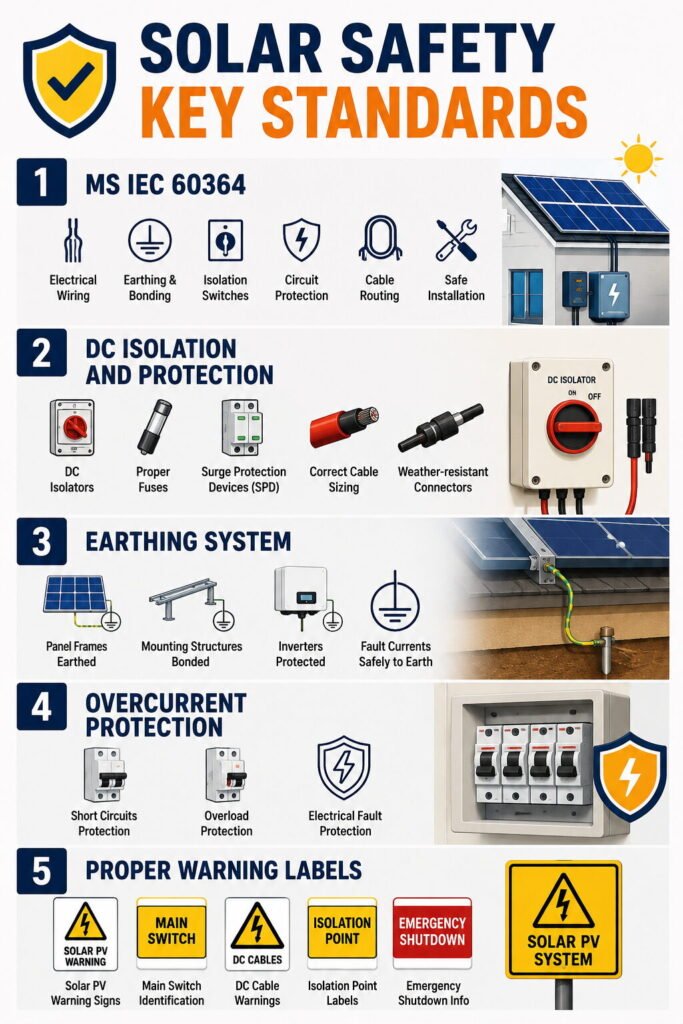
Key Solar Safety Standards
1. MS IEC 60364
One of the most important standards for electrical installations is MS IEC 60364, including MS IEC 60364-7-712, which specifically covers photovoltaic (PV) power supply systems.
This standard includes requirements for:
Electrical wiring
Earthing and bonding
Isolation switches
Circuit protection
Cable routing
Safe installation methods
Compliance helps reduce electrical hazards while ensuring long-term system reliability.
2. DC Isolation and Protection
Solar panels produce Direct Current (DC), which behaves differently from standard household AC electricity.
A safe system includes:
DC isolators
Proper fuses
Surge protection devices (SPD)
Correct cable sizing
Weather-resistant connectors
These components help prevent overheating, arcing, and equipment damage.
3. Earthing System
Proper earthing protects both people and equipment.
A compliant solar system should ensure:
Solar panel frames are correctly earthed
Mounting structures are bonded
Inverters are protected
Fault currents can safely flow to earth
Without adequate earthing, electrical faults may increase the risk of electric shock.
4. Overcurrent Protection
Circuit breakers and protective devices disconnect the system during abnormal operating conditions such as:
Short circuits
Overload
Electrical faults
These devices help minimise fire risks and protect expensive solar equipment.
5. Proper Warning Labels
Malaysian guidelines require appropriate warning labels on solar installations.
Typical labels include:
Solar PV warning signs
Main switch identification
DC cable warnings
Isolation point labels
Emergency shutdown information
These labels are especially important for maintenance personnel and emergency responders.
Importance of Certified Components
Every component should meet recognised international quality standards.
This includes:
- Solar panels
- Inverters
- DC connectors
- Cables
- Mounting systems
- Protective devices
Using certified equipment improves:
- Electrical safety
- Performance
- Reliability
- Warranty protection
Common Solar Safety Risks
Professional inspections often identify issues that may not be visible to property owners.
Common problems include:
Loose Electrical Connections
Loose terminals can generate heat and reduce system efficiency.
Corroded Connectors
Malaysia's humid climate may accelerate corrosion, particularly when low-quality components are used.
Damaged Cable Insulation
UV exposure, rodents, or improper installation may damage cables and create electrical hazards.
Water Ingress
Poor waterproofing around rooftop penetrations may lead to leaks and electrical faults.
Inverter Faults
Ignoring inverter warning messages can result in prolonged downtime and reduced system performance.
Hot Spots
Damaged cells or partial shading may create localised overheating that affects both efficiency and module lifespan.
Want to know how much you can save?
Send us your TNB bill and we will work out the system size and cost. Free, no commitment.
Importance of Regular Maintenance
Safety does not end after installation.
Regular maintenance helps detect:
- Loose wiring
- Corrosion
- Insulation damage
- Water ingress
- Inverter issues
- Declining performance
Periodic inspections help maintain both safety and energy production throughout the system's lifespan.
Why Choose a Professional Solar Installer?
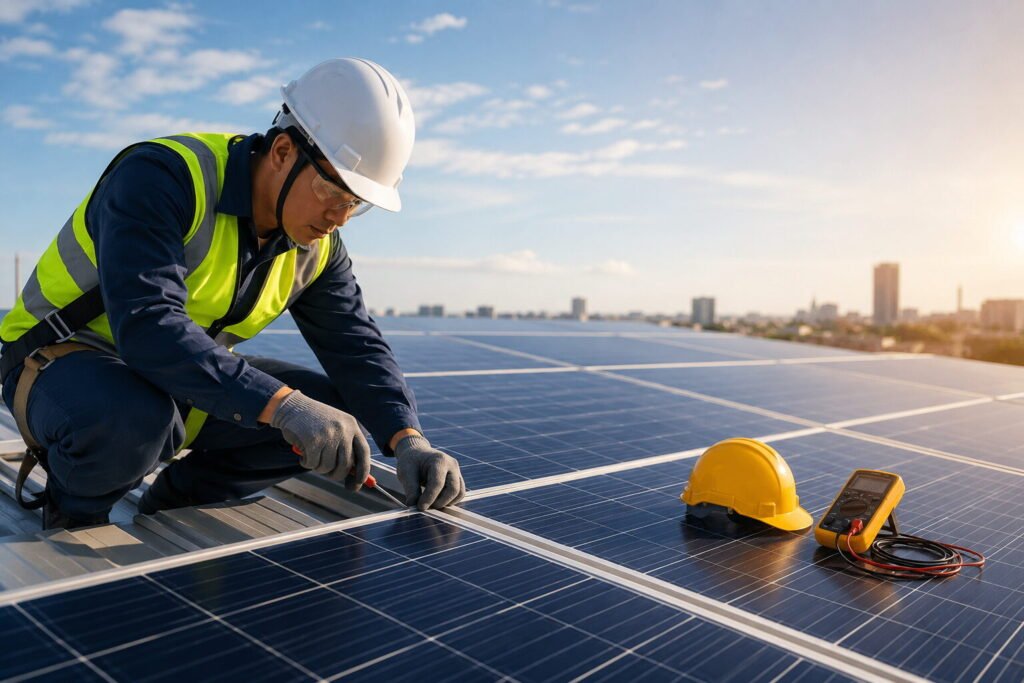
Installing solar is more than simply mounting panels on a roof. A safe installation requires careful engineering. It also needs compliance with Malaysian regulations and the use of quality components.
Working with an experienced installer helps ensure:
- Compliance with Malaysian safety standards
- High-quality workmanship
- Reliable system performance
- Long equipment lifespan
- Peace of mind for homeowners and businesses
Frequently Asked Questions
Q: Why is solar safety a particular concern compared to standard electrical systems?
A: Solar PV modules can continue producing voltage during daylight, even when the main power supply is switched off. Without proper installation and protection, this creates risks that ordinary electrical systems don't have.
Q: What can go wrong with a poorly designed or installed solar system?
A: A poorly designed system can lead to several problems: electric shock, fire hazards, equipment damage, reduced lifespan, costly repairs, and insurance claim issues.
Q: Who regulates solar safety standards in Malaysia?
A: Three bodies share this role. Suruhanjaya Tenaga (the Energy Commission) regulates electrical installations and enforces safety requirements in Peninsular Malaysia. SEDA Malaysia promotes quality and safe solar installations, and Standards Malaysia adopts internationally recognised IEC standards as Malaysian Standards.
Q: Does Malaysia have technical standards specifically for solar PV systems?
A: Yes. Malaysia adopts internationally recognised IEC standards as Malaysian Standards (MS). This ensures local solar installations follow globally recognised safety benchmarks.
Q: Why does choosing a qualified installer matter for safety?
A: A properly designed and certified installation protects your investment. It also protects the safety of your family, employees, and property. Compliance with these standards helps prevent the electrical hazards linked to poor installation work.
Conclusion
Solar energy is one of the safest and most reliable renewable energy technologies when installed correctly. Property owners who comply with Malaysia's recognised safety standards, use certified equipment, and perform regular maintenance can enjoy clean energy with confidence.
At Arus Energ, we prioritise safety at every stage—from system design and installation to testing and ongoing maintenance. Our team follows recognised industry standards and best practices. We deliver solar solutions that are efficient, reliable, and built for long-term performance.
If you're planning to install a solar PV system or need a professional inspection of your existing installation, contact Arus Energ today to ensure your system operates safely for years to come.
Professional services
Our expertise
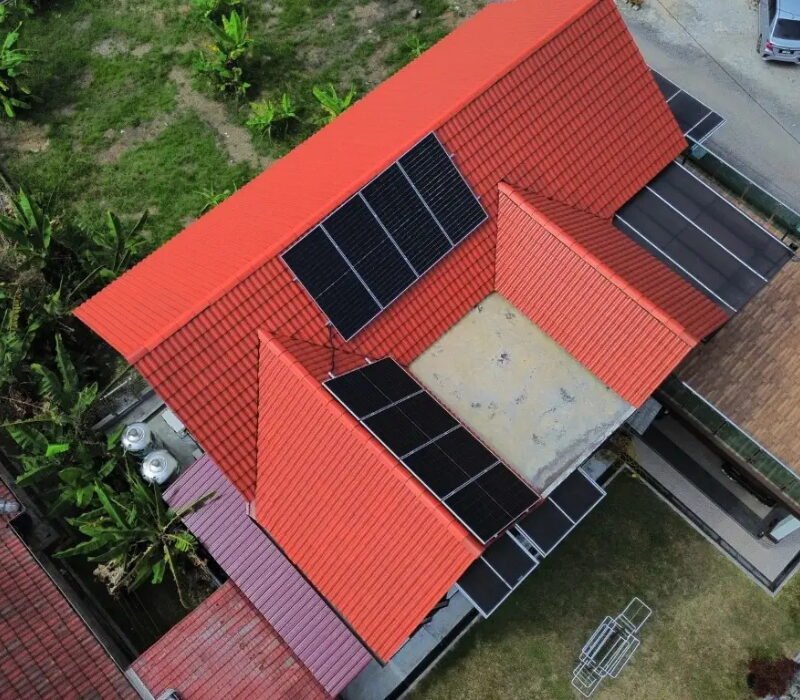
Instead of paying recurring electricity charges, invest in a system that generates its own power and reduces your long-term household expenses.
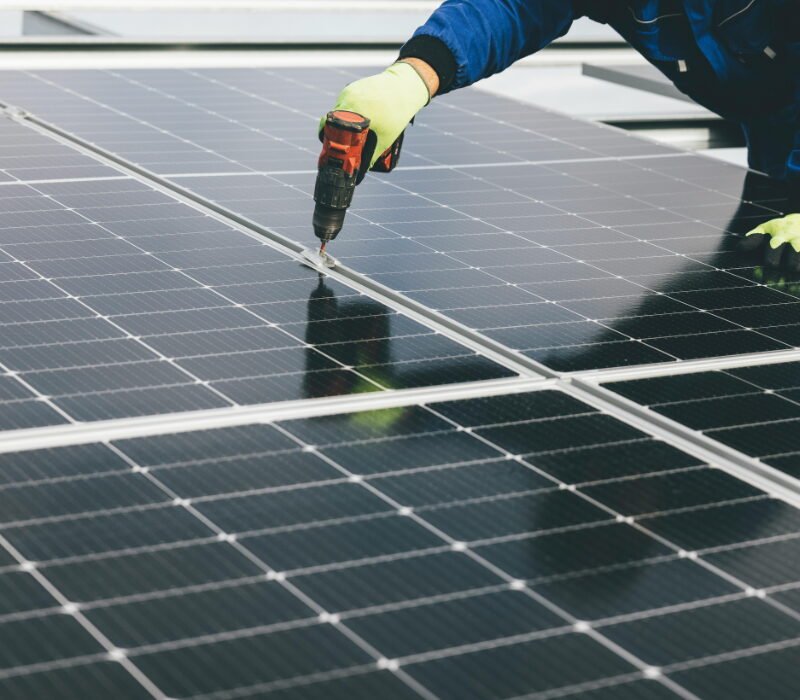
Solar panels are built to last. With minimal maintenance and strong performance warranties, a solar system continues generating savings year after year.
Ready to start?
Talk to the Arus EnerG team first. We can survey your roof and give you real numbers before you decide.
Related posts
- ICPT TNB Malaysia: What It Means & Why It’s Now Called AFA (2026)
Quick answer: ICPT (Imbalance Cost Pass-Through) is an additional charge/rebate on your TNB bill based on fluctuations in...
13 August 20260LikeBy Arus EnerG - SolaRIS vs SuRIA Home: Why the Solar Rebate Dropped RM1,000
SolaRIS paid RM1,000/kWac up to RM4,000 and has ended. SuRIA Home pays RM600/kWac up to RM3,000. What changed...
22 August 20260LikeBy Arus EnerG - How Much Can Solar Save in Malaysia?
Have Questions About Solar for Your Property? Talk to our team to find the right solar solution for...