Contents
- Introduction
- How Long Do Solar Panels Last in Malaysia?
- Average Lifespan: How Long Do Solar Panels Last?
- Do Solar Panels Stop Working After 25 Years?
- How Malaysia's Climate Affects Solar Panels
- Factors That Affect Solar Panel Lifespan
- How to Make Your Solar Panels Last Longer
- Is Solar Still Worth It After 20 Years?
- Frequently Asked Questions
- Conclusion
Have Questions About Solar for Your Property?
Talk to our team to find the right solar solution for your specific needs and budget.
Introduction
How long do solar panels last? That's the first question most Malaysian homeowners and businesses ask before investing in solar energy — especially with rising electricity tariffs and growing interest in renewable energy.
The good news is that modern solar panels are built to provide reliable performance for decades. Malaysia's hot temperatures, humidity, and heavy rainfall do create unique environmental conditions. Even so, high-quality solar systems can keep producing electricity efficiently for 25 to 30 years or more when installed and maintained correctly.
In this guide, we'll explain what affects solar panel lifespan, how Malaysia's climate impacts performance, and how you can maximize your investment.
How Long Do Solar Panels Last in Malaysia?
Average Lifespan: How Long Do Solar Panels Last?
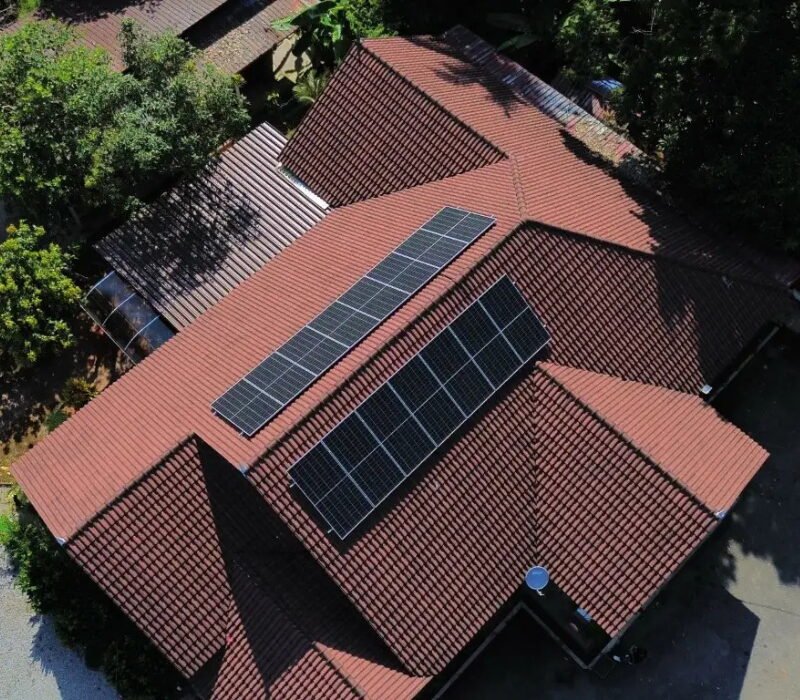
Most reputable solar panel manufacturers provide a 25-year performance warranty, although the panels themselves often continue generating electricity beyond 30 years.
Typical lifespan of solar system components:
| Component | Expected Lifespan |
|---|---|
| Solar Panels | 25–30+ years |
| Mounting Structure | 25–30 years |
| DC Cabling | 25 years |
| Inverter | 10–15 years |
| Battery Storage (if installed) | 10–15 years |
The inverter usually requires replacement before the solar panels reach the end of their service life.
Do Solar Panels Stop Working After 25 Years?
No.
A common misconception is that solar panels suddenly stop working after 25 years. In reality, they gradually lose efficiency over time through a process known as performance degradation.
Most premium solar panels degrade at approximately:
- 0.3–0.5% per year
This matches global research. A comprehensive study by the U.S. National Renewable Energy Laboratory (NREL) looked at over 11,000 degradation measurements. It found a median degradation rate of 0.5–0.6% per year for crystalline silicon panels — closely matching manufacturer specifications.
This means a quality panel may still produce:
- Around 98% output after the first year
- Around 92–94% after 15 years
- Around 85–90% after 25 years
Even after the warranty period, many systems continue operating effectively for several additional years.
How Malaysia's Climate Affects Solar Panels
Malaysia experiences:
- High temperatures
- High humidity
- Heavy rainfall
- Frequent thunderstorms
- Strong UV exposure
Fortunately, modern photovoltaic (PV) panels are specifically designed to withstand these environmental conditions.
However, several local factors can influence long-term performance.
Heat
Solar panels are tested for high operating temperatures.
Higher temperatures can slightly reduce daily efficiency. But with quality products, this generally does not shorten the panel's lifespan.
Proper ventilation beneath the panels also helps reduce heat buildup.
Heavy Rain
Rain naturally helps wash away dust and debris from panel surfaces.
However, poor installation may allow water to enter electrical connections or cable junctions, potentially causing long-term issues.
Professional installation with proper waterproofing is essential.
Humidity
Malaysia's humid environment can accelerate corrosion if inferior materials or connectors are used.
Quality systems use corrosion-resistant components designed for tropical climates.
UV Exposure
Continuous sunlight slowly ages all outdoor materials.
Premium solar panels are manufactured with UV-resistant glass, encapsulation materials, and durable aluminum frames to maintain performance over many years.
Factors That Affect Solar Panel Lifespan
Not all solar systems last the same amount of time.
Several factors determine how long your system continues performing efficiently.
1. Panel Quality
Higher-quality panels generally offer:
- Better manufacturing standards
- Lower degradation rates
- Longer warranties
- Improved durability
Choosing Tier 1 manufacturers can provide greater long-term reliability.
2. Professional Installation
Even the best solar panels may underperform if installed incorrectly.
Proper installation includes:
- Secure mounting
- Correct cable management
- Reliable waterproofing
- Proper electrical protection
- Adequate ventilation
An experienced installer helps ensure your system performs safely and efficiently for decades.
3. Regular Maintenance
Solar panels require relatively little maintenance, but periodic inspections remain important.
Routine maintenance may include:
- Cleaning accumulated dirt or bird droppings
- Inspecting electrical connections
- Checking mounting structures
- Testing inverter performance
- Identifying damaged cables
Professional maintenance helps detect small issues before they become costly repairs.
4. Environmental Conditions
Systems installed near:
- Coastal areas
- Industrial zones
- Construction sites
- Dense vegetation
may require more frequent cleaning or inspections due to salt, dust, debris, or shading.
Can Solar Panels Be Repaired?
Yes, depending on the issue.
Common repairs include:
- Replacing damaged connectors
- Repairing faulty wiring
- Replacing DC isolators
- Servicing or replacing inverters
- Tightening loose mounting hardware
In most cases, individual components can be repaired without replacing the entire solar array.
Want to know how much you can save?
Send us your TNB bill and we will work out the system size and cost. Free, no commitment.
How to Make Your Solar Panels Last Longer
You can maximize your solar investment by following these best practices:
- Choose high-quality solar panels from reputable manufacturers.
- Hire experienced and qualified solar installers.
- Schedule periodic professional inspections.
- Clean panels when excessive dirt or debris accumulates.
- Monitor system performance through the inverter or monitoring app.
- Replace ageing inverters when necessary.
- Trim nearby trees to minimise shading.
These simple practices help maintain system efficiency throughout its lifespan.
Is Solar Still Worth It After 20 Years?
Absolutely.
Even after two decades, most quality solar panels continue producing a significant percentage of their original output.
Most of the installation cost is paid upfront. So once the system reaches its payback period, the electricity it generates after that is essentially ongoing savings for many more years.
For many Malaysian homeowners and businesses, solar panels continue delivering strong financial and environmental benefits well beyond 25 years.
Frequently Asked Questions
Q: How long do solar panels typically last in Malaysia?
A: Most reputable manufacturers provide a 25-year performance warranty, and high-quality panels can continue producing electricity efficiently for 25 to 30 years or more when installed and maintained correctly.
Q: Do solar panels stop working after 25 years?
A: No, that's a common misconception; panels don't suddenly stop working, they gradually lose efficiency over time through a process called performance degradation.
Q: How much efficiency do solar panels lose each year?
A: Most premium panels degrade at approximately 0.3-0.5% per year, which is broadly consistent with a National Renewable Energy Laboratory (NREL) study that found a median degradation rate of 0.5-0.6% per year for crystalline silicon panels.
Q: Does the inverter last as long as the solar panels?
A: No, the inverter typically has a shorter expected lifespan of 10-15 years, and battery storage (if installed) is similar, so the inverter usually needs replacing before the panels reach the end of their service life.
Q: How much output can I expect from panels after many years of use?
A: Based on typical degradation rates, a quality panel may still produce around 98% output after the first year, roughly 92-94% after 15 years, and around 85-90% after 25 years.
Conclusion
Modern solar panels are built for long-term performance. They typically last 25 to 30 years or more, even in Malaysia's tropical climate. Heat, humidity, rainfall, and UV exposure can all affect performance over time. But choosing high-quality equipment, using a professional installer, and keeping up with regular maintenance can significantly extend your system's life.
Whether you're installing solar for a home, commercial building, or industrial facility, investing in a well-designed system today can provide decades of clean, reliable electricity and long-term savings.



Get a Free Consultation
Our expertise
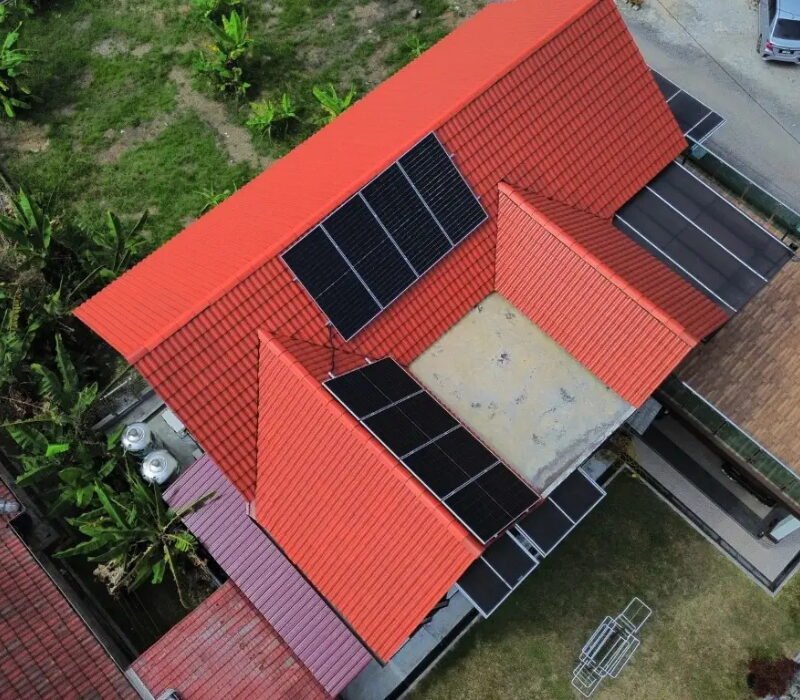
Instead of paying recurring electricity charges, invest in a system that generates its own power and reduces your long-term household expenses.
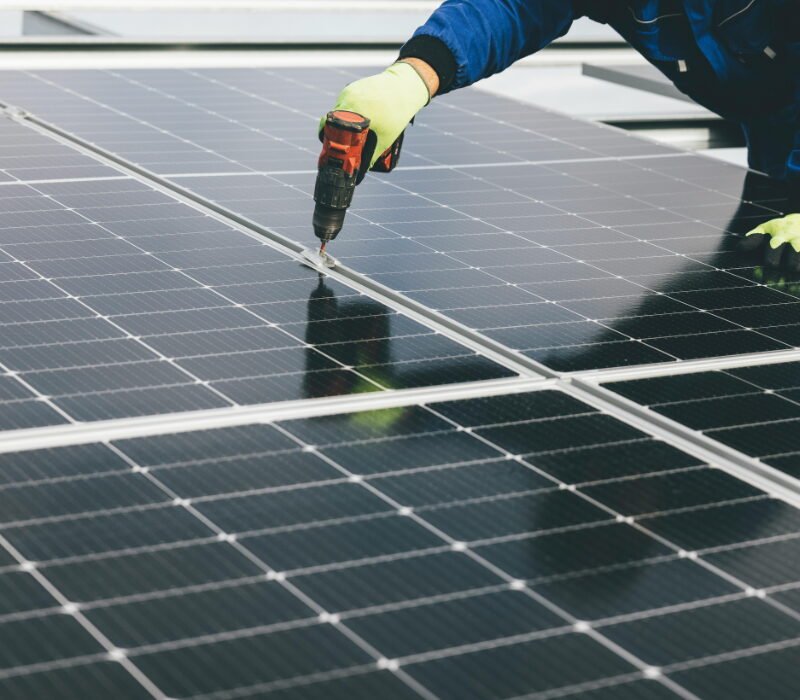
Solar panels are built to last. With minimal maintenance and strong performance warranties, continues generating savings year after year.
Any question? We're ready to help!





Ready to start?
Talk to the Arus EnerG team first. We can survey your roof and give you real numbers before you decide.
Related posts
- Solar Panel untuk Rumah & Bisnes di Kota Bharu
Jawapan pantas: Rumah biasa di Kota Bharu pasang sistem 3kW hingga 5kW. Kos anggaran RM6,000 sampai RM25,000, dengan...
- Solar Battery Guide Malaysia: Types, Cost & Backup Power
Solar battery guide malaysia is one of the most common questions Malaysian homeowners and businesses ask before going...
- Solar Panel Installation Petaling Jaya: Cost & Savings Guide (2026)
This guide explains solar panel installation Petaling Jaya for homeowners and businesses in Malaysia, using current terms and...
14 August 20260LikeBy Arus EnerG