Have Questions About Solar for Your Property?
Talk to our team to find the right solar solution for your specific needs and budget.
Introduction
How Solar Panels Work in Malaysia is one of the first things homeowners and businesses should understand before installing a solar system. As electricity costs continue to rise, learning how solar panels generate electricity can help you choose the right solution and reduce your long-term energy costs.
For more insights on solar adoption, visit our Solar for Home page
How Solar Panels Work in Malaysia
Update: NEM Has Ended, Solar ATAP Takes Over
2026 update: The NEM (Net Energy Metering) scheme officially ended on 30 June 2025 and is no longer accepting new registrations. The current replacement programme is Solar ATAP (Solar Accelerated Transition Action Programme), effective from 1 January 2026, with cash rebates up to RM3,000 through SuRIA Home. Read the full Solar ATAP guide here →
How Solar Panels Work in Malaysia: What Are Solar Panels?
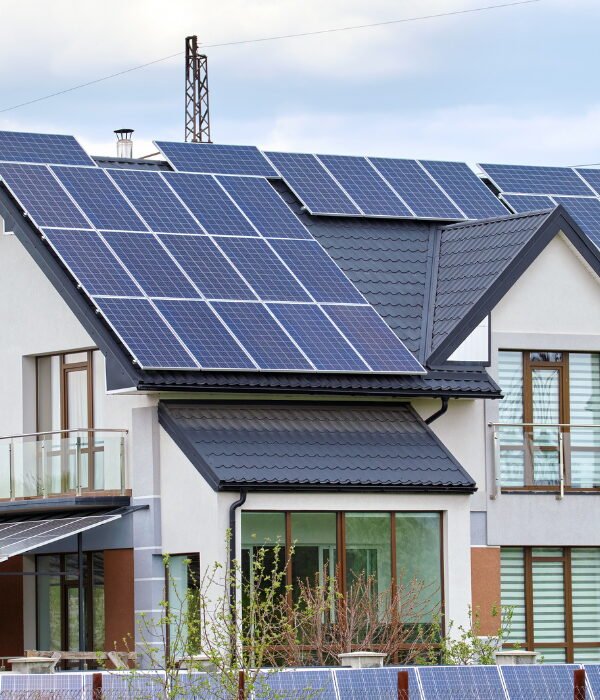
Solar panels are devices made of photovoltaic cells that capture sunlight and convert it into electrical energy. Because Malaysia enjoys strong solar radiation, solar energy Malaysia systems perform efficiently even during cloudy days.
How Solar Panels Work in Malaysia: How Electricity Is Generated
The process of generating electricity using solar panels is actually quite simple.
1. Solar Panels Capture Sunlight
Solar panels installed on your roof absorb sunlight during the day. The photovoltaic cells inside the panels convert solar energy into direct current (DC) electricity.
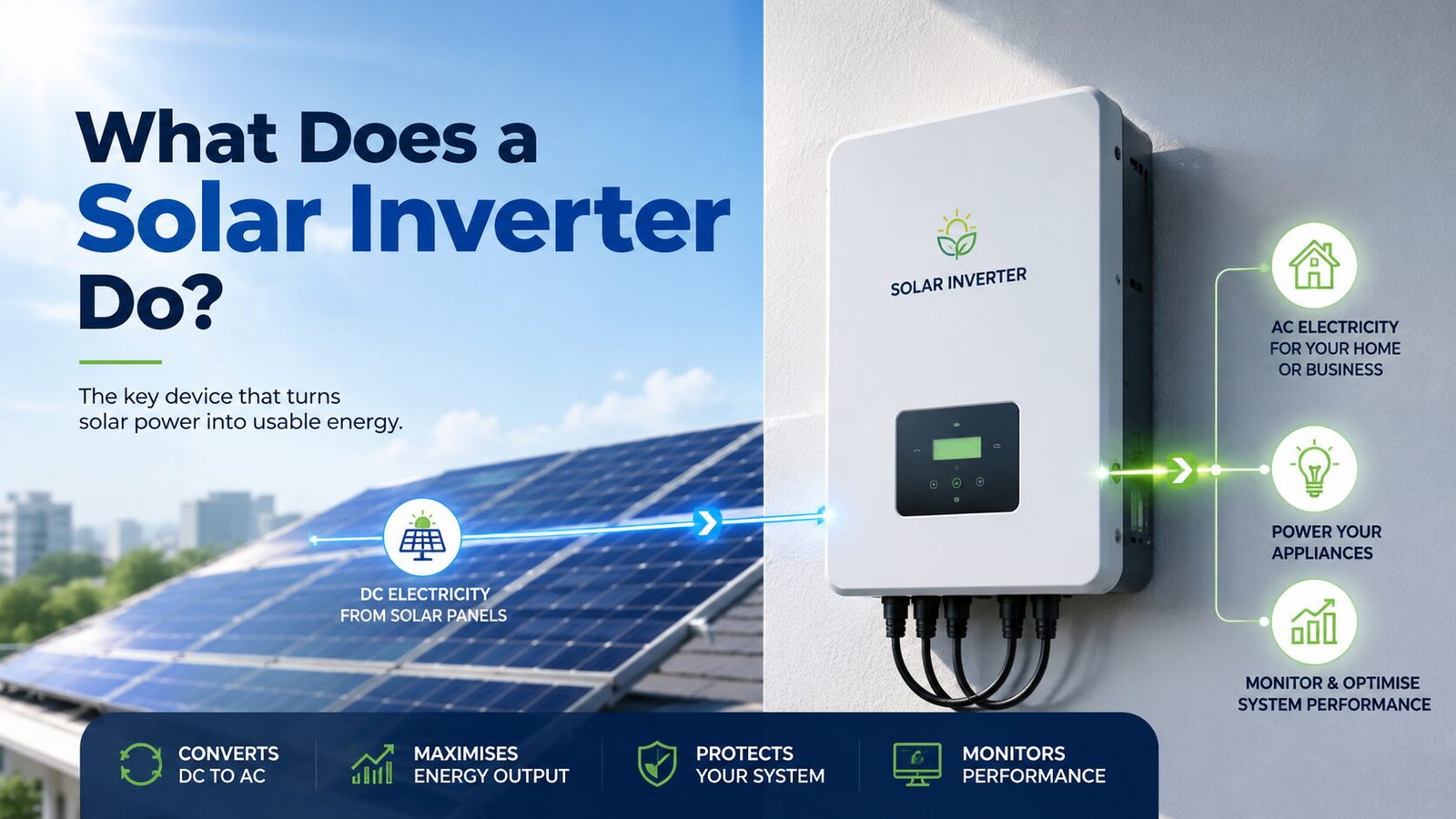
2. Inverter Converts DC to AC Power
Homes and offices use alternating current (AC) electricity, not DC. This is where the inverter plays an important role.
The inverter converts the DC electricity generated by the solar panels into AC electricity that can power:
- Air conditioners
- Refrigerators
- Lights
- TVs
- Washing machines
- Office equipment
3. Electricity Powers Your Home
Once converted, the electricity is used immediately by your home or building. This reduces the amount of electricity you need to purchase from TNB.
The more solar energy your property produces, the lower your electricity bill becomes.
4. Excess Energy Can Be Sent Back to the Grid
In Malaysia, the Net Energy Metering (NEM) program allows homeowners and businesses to export excess solar energy back to the TNB grid.
This means:
- Extra electricity generated during the day is not wasted
- You receive energy credits from TNB
- These credits help offset your future electricity usage
This system makes solar even more cost-effective in the long term.
Why Solar Power Works Well in Malaysia
Malaysia’s tropical climate provides strong sunlight almost all year round, making it an ideal location for solar energy systems.
Benefits of Malaysia’s climate for solar:
- High solar radiation throughout the year
- Consistent sunlight exposure
- Long daylight hours
- Reduced dependence on fossil fuels
Even during cloudy weather, solar panels can still generate electricity, although at a lower efficiency.
Solar PV System Malaysia: Main Components Explained
Every component plays an important role in how solar panels work in Malaysia, from the panels and inverter to the monitoring system.
A complete solar system typically includes:
Solar Panels
Capture sunlight and generate electricity.
Solar Inverter
Converts electricity into usable power for the property.
Mounting Structure
Holds the solar panels securely on the roof.
Monitoring System
Allows users to track energy production and system performance.
TNB Meter
Measures electricity imported from and exported to the grid.
Want to know how much you can save?
Send us your TNB bill and we will work out the system size and cost. Free, no commitment.
Benefits of Solar Power in Malaysia
Understanding how solar panels work in Malaysia also helps homeowners choose the right system size and maximise long-term savings.
Lower Electricity Bills
Reduce your monthly TNB expenses significantly.
Long-Term Savings
Solar systems can last 25 years or more with proper maintenance.
Eco-Friendly Energy
Solar energy reduces carbon emissions and supports environmental sustainability.
Increase Property Value
Properties with solar systems are often more attractive to buyers.
Protection Against Rising Electricity Costs
Generate your own electricity and reduce reliance on future tariff increases.
Still wondering whether installing solar is worth it? Read our guide: Is Solar Worth It in Malaysia? before choosing a system.
Is Solar Suitable for Malaysian Homes?
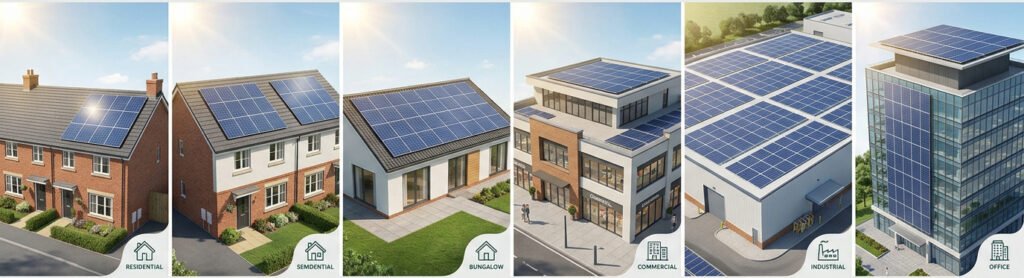
Yes. Solar systems are suitable for:
- Terrace houses
- Semi-detached homes
- Bungalows
- Commercial buildings
- Factories
- Offices
The suitability depends on factors such as roof size, sunlight exposure, and monthly electricity usage.
Now that you understand how solar panels work in Malaysia, here are some common questions homeowners ask before installing a solar system.
FAQ: Solar Panels Malaysia
Q: Do solar panels work during rainy days?
A: Yes. Solar panels still generate electricity during cloudy or rainy weather, although efficiency may be lower compared to sunny days.
Q: Can solar panels reduce my TNB bill to zero?
A: Depending on your energy usage and system size, solar panels can significantly reduce or even eliminate your electricity bill.
Q: How long do solar panels last?
A: Most solar panels have a lifespan of 25 years or more.
Q: Is solar maintenance expensive?
A: Solar systems generally require minimal maintenance, mainly occasional cleaning and inspections.
Q: Do I need batteries for a solar system?
A: Not necessarily. Most grid-connected solar systems in Malaysia work without batteries through the NEM program.
Switch to Solar with Arus EnerG
Looking to reduce your electricity bills and invest in clean energy? Arus EnerG provides professional solar solutions for homes and businesses across Malaysia.
Our team can help you:
- Assess your property’s solar potential
- Recommend the right solar system size
- Handle installation and approvals
- Maximize long-term energy savings
Start your solar journey today with Arus EnerG and enjoy smarter, greener energy for the future.



Get a Free Consultation
Our expertise
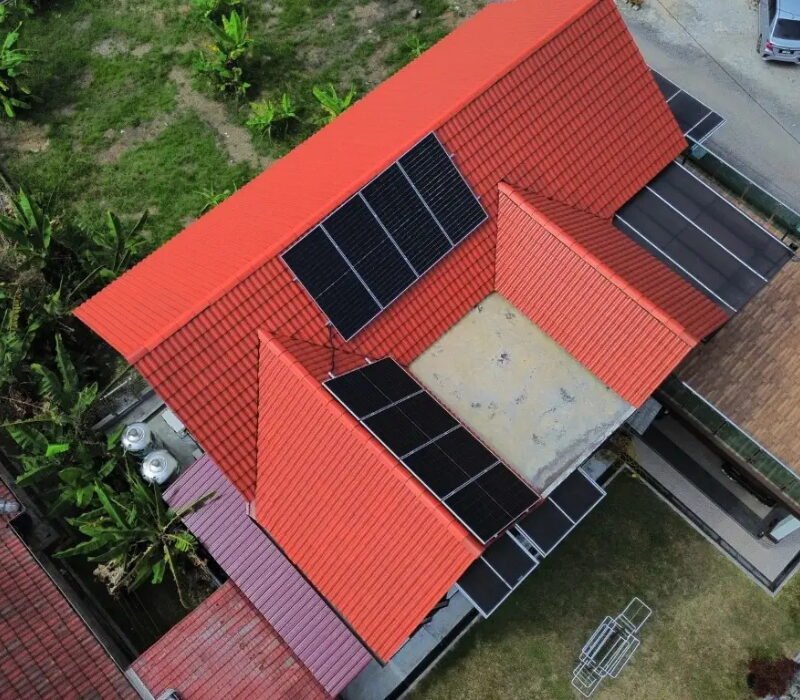
Instead of paying recurring electricity charges, invest in a system that generates its own power and reduces your long-term household expenses.
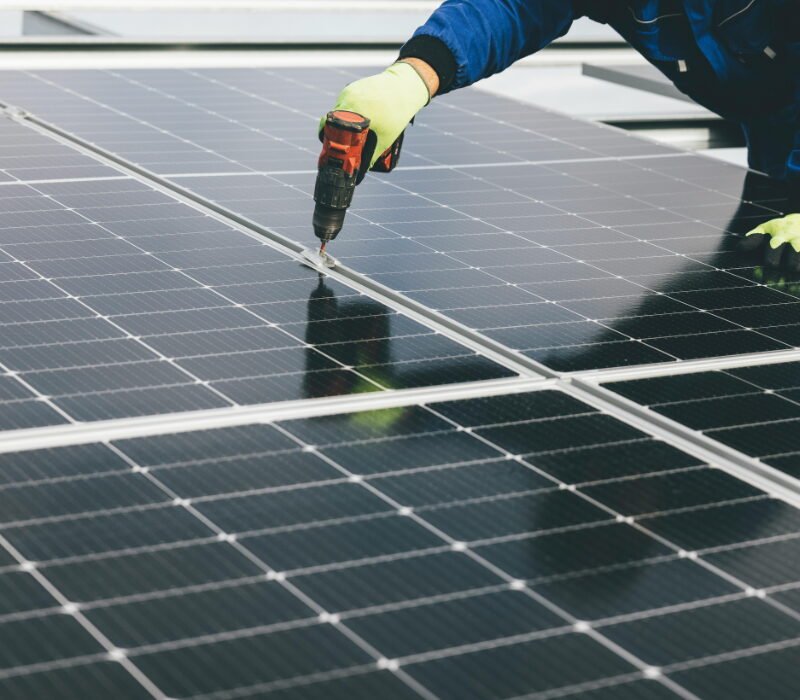
Solar panels are built to last. With minimal maintenance and strong performance warranties, continues generating savings year after year.
Any question? We're ready to help!





Ready to start?
Talk to the Arus EnerG team first. We can survey your roof and give you real numbers before you decide.
Related posts
- What Does a Solar Inverter Do?
Choose Safe, Reliable Solar with Arus EnerG Wondering what does a solar inverter do in your solar PV...
- Pemasangan & Pilih Syarikat Solar di Malaysia
Pilih syarikat solar malaysia adalah antara soalan paling biasa ditanya pemilik rumah dan perniagaan Malaysia sebelum pasang solar....
- Solar Panel Installation Kota Bharu: Cost & Savings Guide (2026)
This guide explains solar panel installation Kota Bharu for homeowners and businesses in Malaysia, using current terms and...
14 August 202601LikeBy Arus EnerG