Rising TNB Tariff Malaysia: What Businesses Should Know
Have Questions About Solar for Your Property?
Talk to our team to find the right solar solution for your specific needs and budget.
TNB Tariff Malaysia
TNB Tariff Malaysia is becoming a growing concern for businesses as electricity costs continue to increase.
Rising TNB tariff can significantly impact operating expenses, cash flow, and long-term profitability. Understanding TNB Tariff Malaysia helps businesses prepare for future energy costs while exploring sustainable solutions such as commercial solar.
Rising TNB Tariff in Malaysia: What Businesses Should Know
Why Is TNB Tariff Malaysia Increasing?
Electricity tariffs in Malaysia are influenced by several factors, including:
- Global fuel prices
- Natural gas and coal costs
- Grid maintenance and infrastructure upgrades
- Energy demand growth
- Government energy policies
- Renewable energy transition initiatives
As the cost of generating and distributing electricity increases, businesses may experience higher monthly electricity bills, particularly those with high energy consumption.
1. Increased Operating Expenses
Higher electricity tariffs directly affect a company's operating costs. Businesses that rely heavily on air-conditioning, machinery, refrigeration, or production equipment often feel the greatest impact.
Over time, increasing utility bills can reduce profit margins and affect overall business performance.
2. Reduced Competitiveness
When energy costs rise, businesses may be forced to increase the prices of their products or services to maintain profitability.
This can make it more difficult to remain competitive, especially in industries with tight margins and strong market competition.
3. Cash Flow Challenges
Unexpected increases in electricity costs can place additional pressure on cash flow, particularly for small and medium-sized enterprises (SMEs).
Without proper planning, rising utility expenses can affect budgeting, expansion plans, and operational investments.
Businesses can stay updated on tariff revisions through Tenaga Nasional Berhad (TNB).
How Rising TNB Tariff Affects Malaysian Businesses
Certain industries are more vulnerable to electricity price increases, including:
- Manufacturing – Production facilities often run machinery for long hours, making electricity one of their biggest operational costs.
- Hotels and Hospitality – Air-conditioning, lighting, laundry services, and kitchen operations use significant energy.
- Retail and Shopping Centres – Large commercial spaces need continuous lighting, cooling systems, and electrical equipment.
- Warehousing and Logistics – Cold storage facilities and automated systems can consume substantial electricity daily.
- Educational Institutions – Schools, colleges, and universities rely heavily on lighting, air-conditioning, and digital infrastructure.
How Solar Energy Reduces the Impact of Rising TNB Tariff
As Rising TNB Tariff Malaysia continues to increase electricity costs, more Malaysian businesses are turning to commercial solar energy as a long-term solution.
Solar photovoltaic (PV) systems reduce dependence on grid electricity while helping businesses lower operating costs and improve long-term financial sustainability. Learn more about our Commercial Solar solutions and how they help businesses reduce electricity costs while improving long-term energy efficiency.
Key benefits include:
- Lower Monthly Electricity Bills – Solar energy reduces the amount of electricity purchased from TNB, helping businesses lower operating expenses.
- Protection Against Future Tariff Increases – Once installed, a solar system can generate electricity for 25 years or more, reducing exposure to future tariff hikes.
- Improved Return on Investment – Many commercial solar systems pay back within a few years, followed by decades of electricity savings.
- Enhanced Sustainability Credentials – Using renewable energy shows environmental responsibility and supports ESG (Environmental, Social and Governance) initiatives.
Learn more about renewable energy initiatives from SEDA Malaysia.
Is Now the Right Time to Invest in Solar?
For many businesses, the answer is yes.
The combination of rising electricity tariffs, improved solar technology, and attractive financing options has made solar energy more accessible than ever.
Businesses that install solar systems today can begin reducing their electricity expenses immediately while securing long-term savings for the future.
The longer a business delays its solar investment, the more it may continue paying higher electricity costs to the grid.
Want to know how much you can save?
Send us your TNB bill and we will work out the system size and cost. Free, no commitment.
What Should Businesses Consider Before Going Solar?
Before installing a solar system, businesses should evaluate:
- Monthly electricity consumption
- Available roof space
- Building ownership status
- Budget and financing options
- Energy usage patterns
- Expected return on investment
Working with an experienced solar provider can help determine the optimal system size and projected savings.
Read the latest electricity regulations from the Energy Commission (Suruhanjaya Tenaga).
Looking for the right business solar solution? Our experts can design a customised system based on your electricity usage and business needs.
Frequently Asked Questions
Q: Why are TNB electricity tariffs rising?
A: Tariffs are influenced by several factors, including global fuel prices, natural gas and coal costs, grid maintenance and infrastructure upgrades, growing energy demand, government energy policies, and renewable energy transition initiatives.
Q: How do higher electricity tariffs affect a business's operating costs?
A: Higher tariffs directly increase a company's operating costs, and businesses that rely heavily on air-conditioning, machinery, refrigeration, or production equipment tend to feel the impact most, which can reduce profit margins over time.
Q: Can rising tariffs affect a business's competitiveness?
A: Yes. When energy costs rise, businesses may need to raise prices to maintain profitability, which can make it harder to stay competitive, particularly in industries with tight margins and strong market competition.
Q: What kind of cash flow issues can rising tariffs cause for SMEs?
A: Unexpected tariff increases add pressure on cash flow, and without proper planning, this can affect budgeting, expansion plans, and operational investments, especially for small and medium-sized enterprises.
Q: Which types of businesses feel the impact of rising tariffs the most?
A: Businesses such as manufacturing facilities, office buildings, retail outlets, hotels, and warehouses are all affected, with the impact typically greatest for those with high energy consumption.
Conclusion
Rising TNB Tariff Malaysia continues to affect businesses across Malaysia by increasing operating costs and reducing profit margins.
Investing in commercial solar systems allows businesses to reduce electricity bills, improve energy efficiency, and protect themselves against future tariff increases. At Arus Energ, we provide customised solar solutions that deliver measurable savings and long-term value.


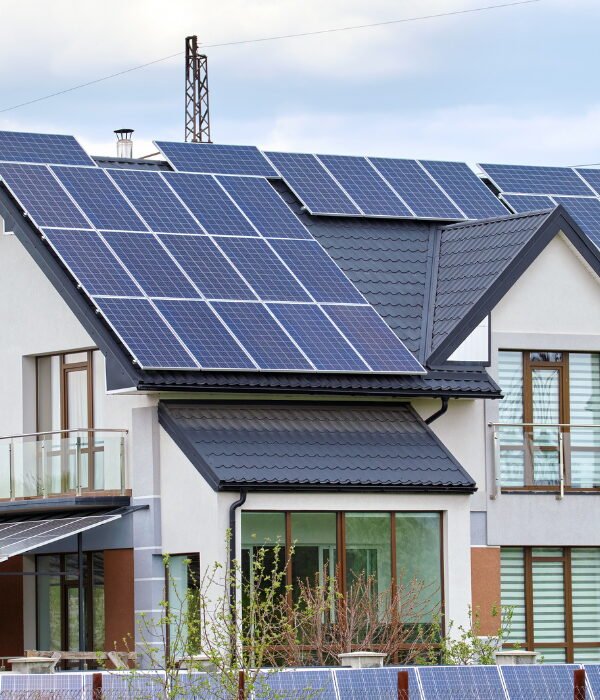

Get a Free Consultation
Our expertise
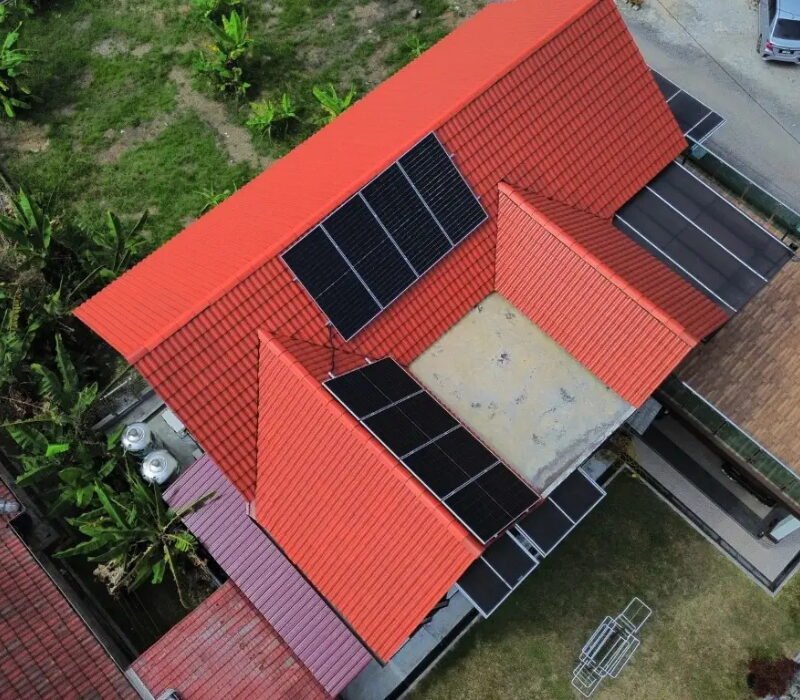
Instead of paying recurring electricity charges, invest in a system that generates its own power and reduces your long-term household expenses.
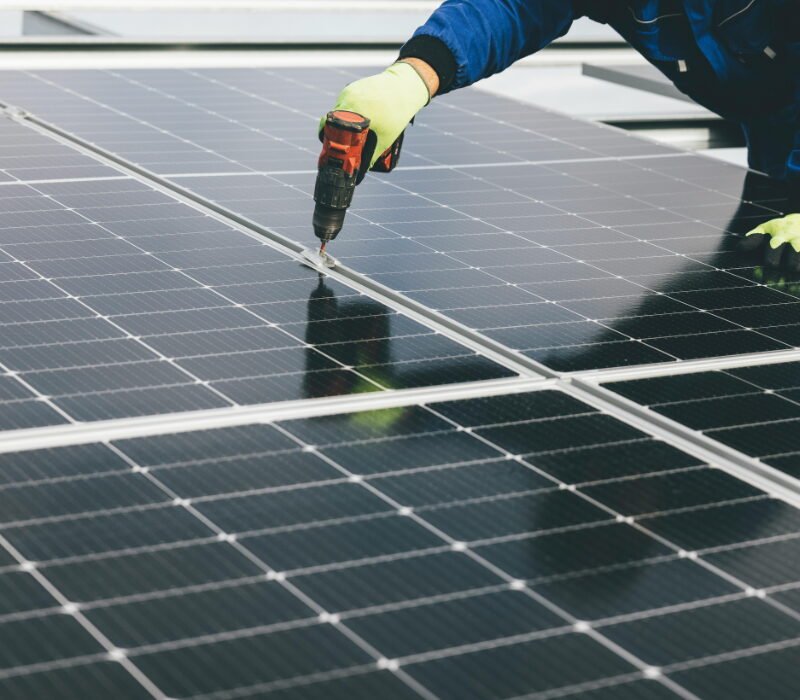
Solar panels are built to last. With minimal maintenance and strong performance warranties, continues generating savings year after year.
Any question? We're ready to help!





Ready to start?
Talk to the Arus EnerG team first. We can survey your roof and give you real numbers before you decide.
Related posts
- Solar Panel Installation Setia Alam, Shah Alam: Cost & Savings Guide (2026)
This guide explains solar panel installation Setia Alam for homeowners and businesses in Malaysia, using current terms and...
14 August 202602LikesBy Arus EnerG - Perbezaan Antara Solar vs Solar + Battery
Ringkasan Pantas: Solar vs solar batteryPanduan ini menerangkan solar vs solar battery untuk pemilik rumah dan perniagaan di...
14 August 20260LikeBy Arus EnerG - Is Solar Battery Worth It for Businesses?
Have Questions About Solar for Your Property? Talk to our team to find the right solar solution for...